Short answer: the Malta recycling schedule is the same across the islands. Organic waste (white bag) goes out on Monday, Wednesday and Friday; mixed waste (black bag) on Tuesday and Saturday; recyclables (grey or green bag) on Thursday; and glass on the first and third Friday of every month.
There is no collection on Sunday. Collection is run by the regional councils on the national pattern published by WasteServ, but the time you put your bags out is set locally, so check your local council’s notice. Schedule last checked November 2026.
My first week in a Gżira flat, I put a black bag out on a Thursday because that is what the previous tenant’s leftover bags suggested. It sat on the pavement for two days while my neighbour walked past it twice, very politely saying nothing. Waste collection is one of those things nobody explains when you move here, and everyone notices when you get it wrong. The good news: once you know the weekly pattern, it takes about two minutes a day.
Malta recycling schedule at a glance
WasteServ Malta publishes the national household collection schedule, and residential collection itself is carried out by the regional councils. The weekly pattern looks like this:
| Day | What is collected | Bag |
|---|---|---|
| Monday | Organic waste (food leftovers) | White bag |
| Tuesday | Mixed waste (non-recyclable) | Black bag |
| Wednesday | Organic waste | White bag |
| Thursday | Recyclable waste (plastic, paper, cardboard, metal) | Grey or green bag |
| Friday | Organic waste; glass on the first and third Friday of the month | White bag; glass in its own container |
| Saturday | Mixed waste | Black bag |
| Sunday | No collection | – |
Source: WasteServ Malta waste collection schedule. Last checked November 2026. Your local council can confirm local timings and any temporary changes.
The logic is easy to remember once you see it: food goes out three times a week because it smells in the heat, the black bag twice, recycling once, and glass every other Friday. If you take one thing from this guide, stick the table on your fridge for the first month. After that, you will know it as well as your bus route.
Checking your own locality
For the days, there is nothing to look up: the pattern above is national. What changes between localities is the time you are allowed to put bags out, how strictly that is enforced, and how bulky items are handled. Your local council publishes those details, usually on its website and social media pages, and you can also phone the council office. If you live in a block with a shared bin room or a caretaker, ask the building administrator how they handle it, because some blocks bring bags down for you.
What goes in each bag
WasteServ’s interactive waste separation guide lists what goes where. Here is the short version for a typical flat.
Grey or green bag: mixed recyclables (Thursday)
All packaging made of plastic, paper, cardboard and metal. Rinse items first so they do not smell, and keep them loose in the bag.
- Paper and cardboard: cardboard boxes, cereal and detergent boxes, milk and juice cartons (Tetra Pak), newspapers, magazines, paper bags, clean takeaway boxes, toilet roll tubes.
- Metal: drinks cans, food tins, aluminium trays and clean foil, jar lids, metal caps, empty spray cans.
- Plastic: plastic bottles (including cooking oil bottles), shampoo and shower gel bottles, detergent bottles, yoghurt pots, margarine tubs, food packaging, plastic bags and caps, polystyrene trays.
- Not here: food leftovers, soiled food containers, dirty takeaway containers, nappies and wipes, baking paper, batteries, small electronics, clothes.
White bag: organic waste (Monday, Wednesday, Friday)
Raw and cooked food leftovers: fruit and vegetable peels, meat and fish (including bones), bread, pasta, rice, cheese and dairy, eggs and eggshells, coffee grounds, tea bags and leaves, nut shells, flowers and leaves, and food-soiled napkins or paper. Not here: coffee pods, cigarette ash, dust, food wrapping, wipes, twigs.
Black bag: mixed waste (Tuesday, Saturday)
Whatever cannot be recycled or composted: nappies and sanitary products, wet wipes, cling film, crisp packets and chocolate wrappers, coffee pods and capsules, takeaway coffee cups, dirty takeaway boxes, cigarette butts, pet litter, broken glass and Pyrex, ceramics, photographs, sponges, vacuum cleaner bags, toothpaste tubes, worn-out shoes and stained clothes. Not here: batteries, electronics, medicines, gas canisters or syringes.

Common sorting mistakes
WasteServ says that every recycling bag is sorted by hand, which is why the wrong items cause real problems: a single AA battery can start a fire in the bag-opening machinery, and syringes are a hazard to sorting staff. The mistakes I see most among newcomers:
- Pizza boxes with grease and cheese stuck to them in the recycling bag (they belong in the black bag; a clean lid can go in recycling).
- Coffee capsules in the recycling bag (black bag).
- Glass jars in the recycling bag (glass collection only).
- Food scraps in plastic tubs in the black bag instead of the white one.
- Old phone chargers in any bag (e-waste: see below).
Glass: collection twice a month
Glass is collected on the first and third Friday of each month. Only rinsed glass bottles and jars go out: wine and oil bottles, water bottles and food jars, with caps and lids removed (metal lids go in the recycling bag). Broken glass, mirrors, drinking glasses, glass cookware, light bulbs, porcelain and ceramics do not belong in glass collection.
Because glass only goes out twice a month, it piles up quickly in a small flat. Two habits help: keep a sturdy box or crate just for glass, and put the next two glass Fridays in your phone calendar at the start of each month. If you miss one, you will be waiting two weeks.
Bottles with a deposit
Many drinks bottles and cans in Malta are part of the Beverage Container Refund Scheme (BCRS): you pay a small refundable deposit when you buy them and get it back by returning the empty container to a reverse vending machine, which you will find at many supermarkets. Look for the BCRS logo on the label. Returning these is better than putting them in any bag, and the deposits add up quickly in a shared flat.
When to put your bags out
Collection times and the window for putting bags out are set locally, so this is the one part of the schedule you need to check for your own street. The general rules most councils apply:
- Put the right bag out on the right day only. A bag left out on the wrong day may not be collected and can earn a fine from local enforcement.
- Respect your council’s time window. Most localities set a window, typically the evening before or the early morning of collection day, and do not want bags sitting out all afternoon. Your council’s notice gives the exact times.
- Tie bags properly and use bags strong enough not to split; cats and seagulls will find any weakness.
- Do not block doorways or pavements, especially in narrow streets where people with pushchairs or wheelchairs need to pass.
- Bring back anything that was not collected and check whether it was the wrong bag or the wrong day.
If you are unsure, the simplest approach is to copy what your long-term neighbours do on your street: same bag, same time, same spot. It is also the fastest way to find out whether your street is collected early or late.
Things that never go in a bag
| Item | Where it goes |
|---|---|
| Expired or unwanted medicines | An authorised pharmacy collection point (WasteServ lists pharmacies by locality); remove packaging first |
| Syringes and EpiPens | A sharps container taken to a Civic Amenity site, never a pharmacy bin |
| Small electronics and batteries | Civic Amenity site, or a WasteServ Roadshow Truck for items up to 50 cm; many retailers also take back electronics |
| Furniture, mattresses, fridges, washing machines | Your local council’s bulky waste collection, or a Civic Amenity site |
| Garden waste, paint, solvents, tyres, cooking oil | Civic Amenity site |
| Torn or stained textiles | Civic Amenity site (wearable clothes: donate) |
Source: WasteServ Malta pages on Civic Amenity sites, expired medicines and waste separation. Last checked November 2026.
Civic Amenity sites
According to WasteServ, Civic Amenity sites are open every day, including public holidays, from 7:30 to 17:30, except Christmas Day and New Year’s Day. They accept household waste only, and entry is by vehicle, with access rules depending on the type of vehicle. Sort your waste before you go so you can unload quickly. If you do not have a car, the bulky waste service from your local council is usually the easier route: you book a collection for items such as an old mattress or sofa, and the council tells you when and where to leave them.
Moving out or moving in
Moving days are when the pavements fill up with furniture that nobody booked. Before you leave a flat, book bulky collection early, return glass and BCRS bottles, and leave the coloured bags you no longer need for the next tenant with a note of the schedule. It is a small kindness that the next person will appreciate.
Sundays, public holidays and Christmas
There is no household collection on Sundays. Around Christmas and New Year, collection days can shift locally, and councils announce any changes on their websites and social media in December. Malta has three public holidays in December (8, 13 and 25 December), so if a holiday falls on your collection day, check your council’s notice before putting anything out.
Two practical tips for the festive season: wrapping paper with foil or glitter goes in the black bag, plain paper and cardboard boxes go in the recycling bag, and the extra glass from the holidays will need somewhere to wait for the first glass Friday of January.

Setting up your flat for sorting
Most Maltese flats are not designed for four waste streams, so a little setup goes a long way:
- Buy the coloured bags in your first supermarket shop. Supermarkets and minimarkets sell white, black and grey or green bags; our guide to supermarkets in Malta covers where locals shop and when they open.
- Use a small lidded caddy for food waste. In summer, food left in a bag for two days smells. Empty it on every organic day.
- Keep a collapsible box for recycling and flatten cardboard so one bag lasts the week.
- Keep glass separately in a crate by the door.
- Share the job in a flat-share. A simple rota (one person per day of the week) stops the “whose turn is it” arguments.
Waste is part of the same set of household routines as paying bills. If you are setting up utilities at the same time, our guide to electricity bills in Malta explains how ARMS bills work and what a typical flat pays. And if you are juggling all of this alongside a new job, our guide to working in Malta covers contracts, hours and the first weeks at work.
Bin day and your neighbours
Bin day sounds like the least social topic there is, but in Malta it is one of the first ways neighbours notice you. Maltese streets are close-knit, older neighbours often know exactly who lives in which flat, and a black bag on the wrong day is the kind of thing people remember. The upside is that getting it right, and saying hello on your way to the door, is one of the easiest ways to stop being “the new foreigner upstairs”.
A few things that have worked for me and for friends:
- Ask a neighbour about the schedule in your first week, even if you already know it. It is a natural opener, and long-term residents like being asked.
- Learn a few Maltese greetings. “Bonġu” (good morning) and “grazzi” (thank you) on the stairs go a long way; our guide on how to meet Maltese people has more on building those relationships.
- Help when it is easy: carrying a heavy bag down for an older neighbour, or bringing in a bin someone forgot.
- Accept the small talk. A five-minute chat by the door about the weather, the festa or the roadworks is how relationships start here.
If you are still adjusting to everyday differences such as noise, timekeeping and how directly people speak, our honest guide to culture shock in Malta covers the common ones. And for a wider view of settling into a routine, see our guide to expat life in Malta.
Neighbours are a good start, but most people also want friends they can make plans with. A coffee in the square, a walk along the promenade on a Sunday morning when there is no bin to worry about, a pizza with the neighbour you keep chatting to by the door: small, low-cost plans are how a street turns into a community. When meeting someone new, stick to the basics: a public place, tell a friend where you are going, have your own way home and leave if you feel uncomfortable.
Malta recycling schedule: frequently asked questions (FAQ)
What day is recycling collected in Malta?
Recyclables (plastic, paper, cardboard and metal packaging) in the grey or green bag are collected on Thursday. Organic waste goes on Monday, Wednesday and Friday, mixed waste on Tuesday and Saturday, and glass on the first and third Friday of the month.
What colour is the recycling bag in Malta?
Grey or green for mixed recyclables, white for organic food waste and black for mixed, non-recyclable waste. Glass goes out separately, rinsed and without lids.
Is there rubbish collection on Sunday in Malta?
No. WasteServ’s national schedule shows no household collection on Sunday, so do not put any bags out on Saturday night or Sunday unless your council tells you otherwise.
How often is glass collected in Malta?
Twice a month, on the first and third Friday. Only rinsed glass bottles and jars go out, with caps and lids removed. Broken glass, mirrors, drinking glasses and ovenware go in the black bag or to a Civic Amenity site.
Where do I throw away an old mattress or sofa in Malta?
Book your local council’s bulky waste collection, or take it to a Civic Amenity site, which is open every day from 7:30 to 17:30 except Christmas Day and New Year’s Day and requires a vehicle. Never leave furniture on the pavement without a booking.
What time should I put the rubbish out in Malta?
It depends on your locality. Councils set the window for putting bags out, typically the evening before or the early morning of collection day. Check your council’s notice or copy what long-term neighbours on your street do.
Want to turn this into an actual plan? MeetNow is a free app for meeting people in person: a host posts a plan at a public place, says who pays (host pays, split, pay your own or free) and picks who joins. It is live on the web, starting in Malta, and works in your browser: open MeetNow and see the plans posted in Malta.
Collection days come from WasteServ Malta’s national schedule; local timings and enforcement are set by your council, so check its notices.
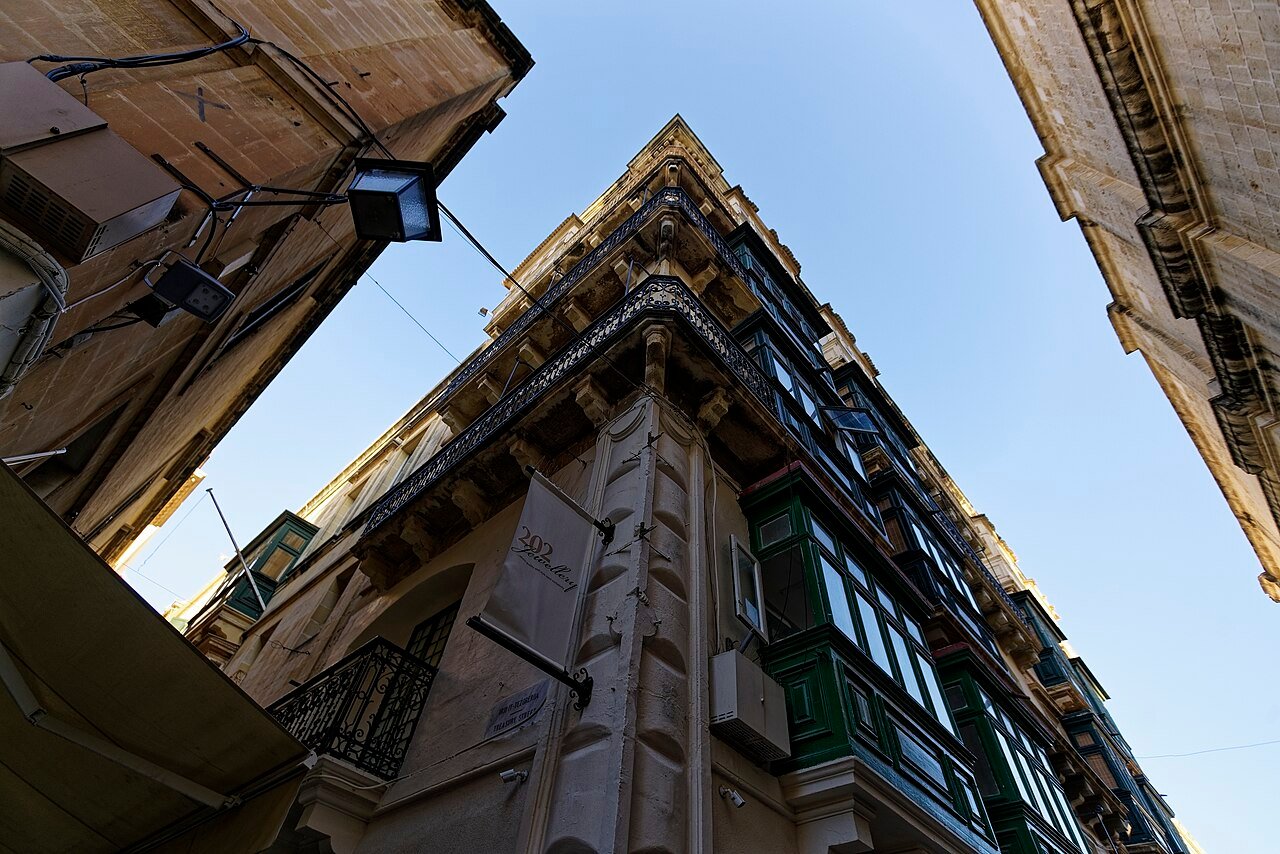
Featured photo: St Lucia Street and Treasure Street, Valletta, by Txllxt TxllxT, CC BY-SA 4.0, via Wikimedia Commons.