Short answer: how to meet Maltese people comes down to joining things that locals already do, every week: sports clubs, village festas and band clubs, volunteering, Maltese language classes, choirs, hiking groups and your own neighbourhood. Expat events are great for your first friends, but Maltese friendships grow from repetition in shared local spaces. Expect it to take a few months, accept every invitation you get, and learn a little Maltese; it opens more doors than you would think.
For my first year here, almost all my friends were other foreigners. It was fun, but I kept feeling that I was living next to Malta rather than in it. What changed was joining a hiking group and volunteering for my village’s festa preparations. Within a season, I had Maltese friends who invited me to family lunches, explained the band club rivalries and corrected my Maltese pronunciation with great enthusiasm.
Why it takes longer to make Maltese friends
It is not that Maltese people are unfriendly; most are warm, chatty and curious about newcomers. Our guide to whether Malta is friendly to foreigners covers this in detail. The difference is time. Many Maltese adults live near their families, have friends from school and university, spend Sundays with relatives and are involved in parish or village life. Their weeks are already full, and expats who leave after a year or two have taught some locals not to invest too quickly. Your job is to be in the same places, regularly, long enough to become familiar.
How to meet Maltese people: 12 ways
| # | Where | Why it works | Effort |
|---|---|---|---|
| 1 | Your village festa | The whole community is involved for weeks | Medium |
| 2 | Band clubs | Social heart of many towns, with a bar and events | Medium |
| 3 | Sports clubs | Weekly training, teams and matches | Medium |
| 4 | Hiking and walking groups | Mixed locals and expats, easy conversation | Low |
| 5 | Volunteering | Shared purpose and repeated contact | Medium |
| 6 | Maltese language classes and exchanges | Locals love helping learners | Medium |
| 7 | Choirs, drama and music groups | Regular rehearsals, close-knit groups | Medium |
| 8 | Your neighbours and local shops | Daily small talk turns into friendship | Low |
| 9 | Workplace and after-work plans | The most natural local contact | Low |
| 10 | Parish and community groups | Central to village life, whether or not you are religious | Medium |
| 11 | Classes: cooking, art, dance, fitness | Small groups, same people weekly | Low |
| 12 | Local council and community events | Clean-ups, markets, cultural nights | Low |
1. Your village festa
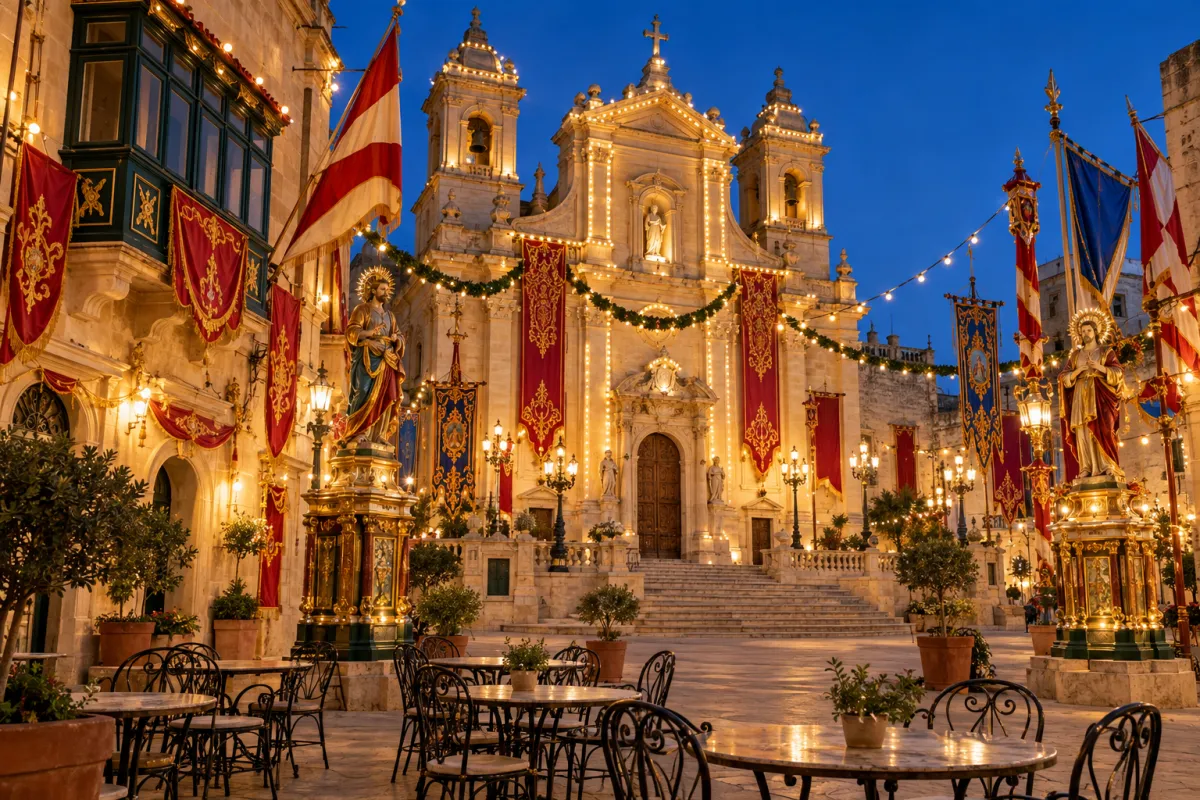
Most towns and villages celebrate the feast of their patron saint between May and September. Festa week brings band marches, fireworks, decorated streets, processions and food stalls, and preparations start weeks before. Volunteers put up decorations, help at the band club and work on the fireworks; if you offer to help, you will meet more locals in a fortnight than in months of brunches. Ask at the band club or parish what needs doing.

2. Band clubs
Many towns have one or more band clubs (each każin tal-banda is built around its brass band), often tied to the festa and sometimes to friendly rivalries between parts of the same village. Most have a bar open to the public, run events through the year and welcome help. Going for a coffee or a drink at your local band club a few times a month, greeting the regulars and showing interest in the band is a slow but genuine way in. If you play an instrument, ask whether the band takes new members.
3. Sports clubs
Football, waterpolo, rugby, athletics, sailing, rowing, cycling and martial arts clubs all have strong local memberships. Adult and veterans’ teams, amateur leagues and club training sessions mean you see the same people several times a week, and post-match drinks do the rest. Waterpolo is especially big in summer; even as a spectator, it is a very Maltese night out.
4. Hiking and walking groups
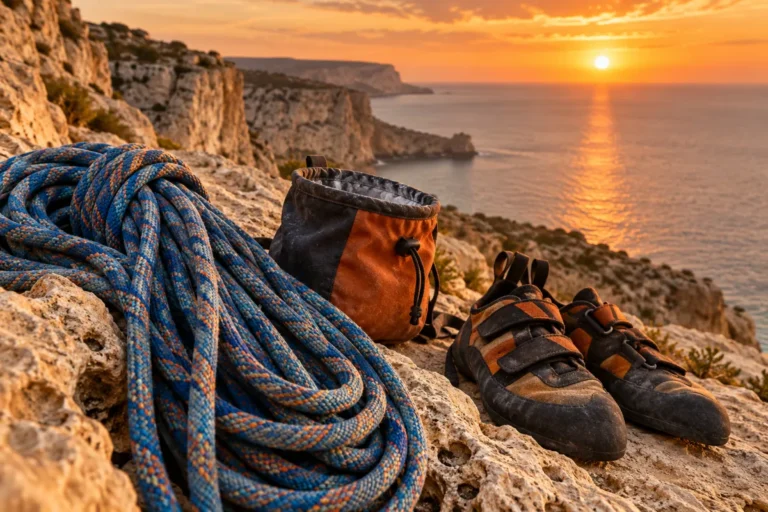
The Ramblers’ Association of Malta organises walks in the countryside, and there are many informal hiking groups on Meetup and Facebook. Walking side by side for a few hours makes conversation easy, and Maltese walkers know the history of every chapel and valley.
5. Volunteering
Volunteering gives you a shared purpose and repeated contact with locals. Environmental and heritage organisations are a good fit for newcomers:
- BirdLife Malta: nature reserves, education and conservation work.
- Nature Trust Malta: environmental projects and clean-ups.
- Din l-Art Ħelwa: the National Trust of Malta, which looks after heritage sites and relies on volunteers.
Animal shelters, food banks and parish charities also welcome regular help.
6. Learning Maltese
You do not need Maltese to live here, but even a little changes how people respond to you. Maltese classes for foreigners are offered by language schools and public adult education programmes; check current courses before you enrol. A language exchange, where you swap English or your own language for Maltese, is free and social. Start with greetings and small phrases: bonġu (good morning), grazzi (thank you), kif int? (how are you?). Maltese has Semitic roots with a large Italian and English vocabulary, so you will recognise more words than you expect. Practise in low-stakes places such as the bakery, the bus or the band club bar; most people will switch to English to help you, but they will remember that you tried, and that small effort is often what turns a polite exchange into a proper conversation.
7. Choirs, drama and music
Choirs, amateur theatre groups and music ensembles rehearse every week, perform together and socialise after. Many are mostly Maltese, and new members who turn up reliably are usually welcomed warmly.
8. Your neighbours and local shops
Malta is a place where people still know their grocer, baker and the neighbours on their street. Shop locally, use the same café, greet people by name and chat. It takes weeks, but these daily contacts lead to invitations, introductions and help when you need it.
9. Work and after-work plans
Colleagues are often the easiest Maltese friends to make. Say yes to lunches, after-work drinks, team events and weekend invitations. If your workplace is very international, look for cross-team activities or company sports teams where you will meet more locals.
10. Parish and community groups
The parish is still central to village life, with groups for families, youth, older people, charity work and the festa. You do not need to be religious to help with events, and doing so connects you to the heart of your community.
11. Classes
Cooking, art, pottery, photography, dance and fitness classes bring small groups together every week. Choose classes taught in your neighbourhood rather than in expat hubs, and you will often find yourself the only foreigner, which is exactly the point.
12. Local council and community events
Local councils run events through the year: markets, cultural nights, clean-ups, children’s activities and seasonal celebrations. Follow your local council’s social media and turn up; locals notice newcomers who take part.

Understanding Maltese social life
A few patterns help you read local social life:
- Family comes first. Sunday lunch with parents or grandparents is a fixture for many people, and big family events take priority. Do not take a “maybe” as rejection.
- Friendships are long. Many Maltese adults are still close to friends they made at school. Being added to that circle takes time, but it tends to be loyal once it happens.
- Everyone knows everyone. The island is small, so introductions spread quickly, and so does gossip. Be discreet about other people’s business.
- Passions run high. Football (local clubs and big foreign teams), politics, the band club and the festa can be strong loyalties. Ask, listen and enjoy the stories rather than taking sides.
- Food is social glue. Pastizzi, ftira, rabbit stew and Sunday lunches are how people gather. Accept food, ask about recipes and try everything once.
Where you live matters
If you live in Sliema, St Julian’s or Gżira, your neighbours, shops and cafés may be mostly international. That is convenient, but it makes meeting Maltese people harder. Many expats who build strong local networks live in, or spend their weekends in, more traditional towns: Birgu, Żebbuġ, Naxxar, Rabat, Mosta, Marsaxlokk or villages on Gozo. Even if you stay in a hub, choose one town to adopt: go to its festa, eat at its restaurants, join one of its clubs and visit regularly.
Gozo: smaller, closer, slower
On Gozo, community life is tighter and slower, and newcomers are noticed quickly. That can feel exposing at first, but it also makes it easier to become a familiar face. Village festas, parish activities, local sports teams and the weekly market in Victoria are natural meeting points, and Gozitans are often generous with invitations once they know you are staying.
A 10-week plan
| Week | Action |
|---|---|
| 1 | Choose one local weekly activity: sport, choir, hiking or a class |
| 2 | Learn ten Maltese words and use them in local shops |
| 3 | Visit your band club or parish hall; ask what is coming up |
| 4 | Sign up for one volunteering session |
| 5 | Say yes to every work or neighbour invitation this week |
| 6 | Attend a local council or community event |
| 7 | Invite a Maltese acquaintance for a coffee or a walk |
| 8 | Try a Maltese language exchange |
| 9 | Offer to help with an event: festa, club, charity |
| 10 | Review: who do you see every week? Suggest a plan with them |
Openers and etiquette
- Ask for local knowledge: “Which pastizzeria is the best around here?” works anywhere.
- Show interest in the village: “When is the festa here? How can I help?”
- Use a little Maltese: “Bonġu! I’m learning Maltese, how do I say…?”
- Accept hospitality: if you are invited to a family lunch, go, bring something (pastries, wine, flowers) and expect a lot of food.
- Do not criticise Malta in the first conversation; locals hear plenty about traffic and construction.
- Keep in touch: Maltese friendships are built on showing up, so be there for name days, festas and birthdays.
Common mistakes when trying to meet locals
- Living only in Sliema and St Julian’s and never visiting other towns.
- Going to expat events only.
- Expecting instant close friendship rather than building it over months.
- Declining invitations to family events because they feel too formal.
- Treating local customs, festas and religion as curiosities rather than community life.
Expat friends and Maltese friends are not either/or. Our guides to the expat community in Malta, making friends in Malta and expat life in Malta cover the rest of your social life.
How to meet Maltese people: FAQ
Is it hard to make Maltese friends?
It takes longer than making expat friends, mainly because many Maltese people have close family networks and school friendships that fill their time. Shared activities that repeat every week, such as sports, classes, volunteering and village life, are the most reliable way in.
Do I need to speak Maltese to make local friends?
No. English is an official language and widely spoken. But learning a few words and phrases in Maltese is appreciated and often opens conversations.
What is a band club in Malta?
A band club is a village or town social club built around its brass band, usually linked to the local parish feast. Many have a bar and are central to festa preparations and community life.
When are village festas in Malta?
Most village festas take place between May and September, each celebrating a parish patron saint over several days, with band marches, fireworks, decorations and processions.
Where can I volunteer in Malta?
Environmental and heritage organisations such as BirdLife Malta, Nature Trust Malta and Din l-Art Ħelwa welcome volunteers, as do many charities, animal shelters and parish groups.
How long does it take to make a Maltese friend?
Often several months of regular contact. Seeing the same people every week, accepting invitations and showing interest in local life speed it up.
Want to turn this into an actual plan? MeetNow is a free app for meeting people in person: a host posts a plan at a public place, says who pays (host pays, split, pay your own or free) and picks who joins. It works in your browser and on Android through Google Play, starting in Malta; the iPhone app is not in the App Store yet. Open MeetNow and see the plans in Valletta, Sliema and St Julian’s.
Groups, clubs and events change; check details with each organisation. We may mention products we are connected with; see the affiliate and product disclosure page linked in the site footer.