Short answer: is Malta friendly to foreigners? Mostly yes, with nuance. People are generally polite and helpful, English is an official language, and almost a third of residents hold a foreign citizenship: 31.1% at the end of 2025, according to the NSO, rising to over 40% in the Northern Harbour district. But friendliness in the shop is not the same as being invited into someone’s life. Maltese social life is centred on family and long-standing friends, rapid population growth has made some locals wary, and some foreigners, particularly non-Europeans, report discrimination in housing and everyday life. This guide is an honest picture, plus what actually helps you feel welcome. Last checked October 2026.
I get asked this question more than any other by people planning a move, usually in a slightly nervous voice. My honest answer, after years here: Malta was easy to arrive in and slower to belong to. Both halves of that sentence matter.
Is Malta friendly to foreigners? The quick verdict
| Situation | How it usually feels |
|---|---|
| Shops, cafés, buses, offices | Friendly, informal, English everywhere |
| Workplace | Mostly welcoming, especially in international companies |
| Neighbours | Varies: some greet you warmly, some keep to themselves |
| Bureaucracy | Slow and paper-heavy, but not hostile |
| Renting | Where friction most often shows: high prices, some landlords’ preferences |
| Close friendships with locals | Take time; usually come through work, sport, volunteering or a partner |
How many foreigners live in Malta
Malta has changed fast. NSO figures show the population reached 588,254 by the end of 2025, up 2.4% in a year, with migration driving most of the growth. Foreign citizens made up 31.1% of the population at the end of 2025, up from 29.4% a year earlier. At the end of 2024, the share in the Northern Harbour district (which includes Sliema, Gżira, St Julian’s and Msida) was 42.3%, and in the Northern district 36.9%. Non-EU citizens made up 78.1% of net migrants in 2025.
Sources: NSO population releases for 2024 and 2025, as reported by MaltaToday and other outlets. Last checked October 2026.
What that means in practice: in the harbour towns you are surrounded by other newcomers, which makes the first months easier. It also means some Maltese people feel their towns have changed very quickly, and that shapes attitudes.
Where Malta is genuinely welcoming
- Language: you can live your whole life in English. People switch to English the moment they hear you.
- Informality: Malta is a small place where people chat in queues, at the bus stop and in the corner shop. Ask for directions and you may get a story as well.
- Hospitality: once you are invited to a Maltese home or a family lunch, expect generosity and a lot of food.
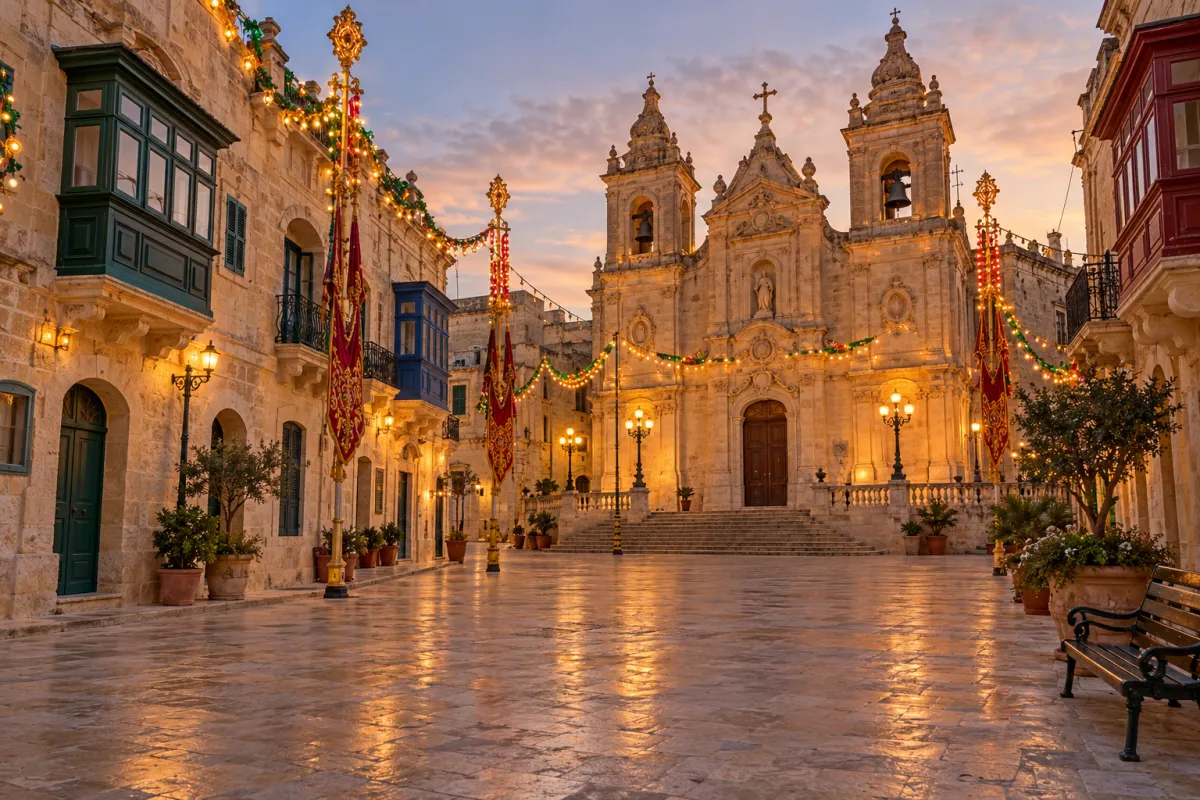
- Festas and community events: village feasts are public celebrations, and visitors are welcome to watch, eat and join in.
- Workplaces: in many sectors, mixed teams of Maltese and foreign colleagues are normal.

Where friction shows
Housing
Rents in popular areas are high, and the rental market can feel tough for newcomers. Some foreigners report landlords who prefer certain nationalities or are reluctant to register leases. Insist on a registered lease and a written inventory, and walk away from anyone who refuses.
Practical tips that help: view flats in person or through a trusted friend, never pay a deposit for a place you have not seen, keep all messages with the landlord or agent in writing, and ask whether the lease will be registered with the Housing Authority before you sign. Our shared apartment guide lists the warning signs of rental scams, which target newcomers in particular.
Rapid change
Construction, traffic and overcrowding are real frustrations for Maltese people, and foreigners sometimes get blamed for them in conversation or online comments. It is rarely personal; acknowledging that the island has changed fast goes a long way in conversations with locals.
Discrimination
Experiences differ a lot depending on where you are from. Many Western Europeans report few problems; some non-European, Black and Muslim residents report discrimination in housing, jobs and daily interactions, and NGOs and equality bodies in Malta have documented such cases. If you face discrimination, keep records and contact Malta’s equality body, the National Commission for the Promotion of Equality (NCPE), or a support NGO.
The closed-circle effect
Many Maltese people have known their friends since school, live near their parents and spend Sundays with family. That is not unfriendliness; it is a full social calendar. It does mean you usually need a shared activity, rather than a party invitation, to get into a circle.
What it is like for different people
| Who | Common experience |
|---|---|
| EU professionals | Easy start, big expat circles, slower route to Maltese friends |
| Students | Very sociable first months; friendships with Maltese classmates grow over the year |
| Non-EU workers | Mixed: welcoming workplaces, but more reports of discrimination and harder housing searches |
| Families | School and church communities can help integration; children often make friends faster than parents |
| Retirees | Often well received, especially in quieter towns and Gozo |
| LGBTQ+ newcomers | Malta has strong legal protections; social attitudes are broadly accepting in the harbour towns |
Based on many conversations with newcomers, not a survey. Individual experiences vary.
Maltese culture in five minutes
A little context makes everyday interactions easier to read:
- Family first. Adult children often live close to their parents, and Sunday lunch is close to sacred. Plans with friends tend to fit around family, not the other way round.
- Catholic heritage. Even people who rarely go to Mass mark the parish feast, Easter and Christmas. Churches and religious statues are part of every street.
- Village loyalty. People identify strongly with their home town, its patron saint and its band club. Rival feasts and friendly banter between villages are part of life.
- Direct but warm. Conversations can sound blunt or loud to northern European ears; that is usually enthusiasm, not hostility.
- Flexible timing. Social plans can start late and change at short notice. Work meetings are usually more punctual than dinners.
- Politics and football are lively topics, so listen before you jump in.
None of this is a rulebook, and younger people in the harbour towns often live very international lives. But knowing the background helps you understand why an invitation might come on Saturday morning for that same evening, or why a colleague will not move a family commitment.
How to be welcomed faster
- Learn a few Maltese words. “Bonġu” (good morning), “grazzi” (thank you) and “saħħa” (goodbye/cheers) get smiles everywhere.
- Go to your village festa. Ask a neighbour what is happening and when; people love explaining their feast.
- Join something local: a sports club, a choir, a volunteering group, a band club, a parish activity.
- Be a regular. The same café, the same grocer, the same bus. Small places reward familiarity.
- Accept invitations, especially to family lunches, and bring something (pastries are always welcome).
- Talk about Malta with curiosity, not comparison. “Why is it done this way?” lands better than “back home we…”.
- Mix circles: keep expat friends, but make room for people who will still be here in five years.

Your first 30 days: a welcome checklist
- Introduce yourself to your neighbours in the first week.
- Learn five Maltese phrases and use them.
- Find out when your town’s festa is, and the patron saint’s name.
- Join one activity that includes Maltese members.
- Say yes to the first invitation from a colleague, even if it is a family christening.
- Host something small yourself: coffee for neighbours or a picnic with colleagues.
- Read up on Maltese history and politics, so you understand the conversations around you.
For a week-by-week version, see our 30-day plan for making friends in Malta, and for groups and clubs that exist, the expat community in Malta guide.
Common mistakes that make Malta feel unfriendly
- Only going to expat events, then concluding locals are “closed”.
- Complaining about Malta to Maltese people in your first week.
- Expecting spontaneous invitations without ever inviting anyone yourself.
- Judging the whole country from one bad landlord or one rude driver.
- Staying in the flat when you feel low instead of keeping one weekly fixture.
What Maltese friends wish newcomers knew
I asked a few Maltese friends what they wish foreigners understood. Their answers were remarkably consistent:
- “We are not ignoring you; we are busy.” Family commitments, Sunday lunches and long-standing friend groups fill calendars. A specific invitation works better than waiting.
- “Ask about our feasts and history.” Questions about the village festa, the Knights, the war years or Maltese food open conversations instantly.
- “Don’t call it a tiny rock.” Joking about Malta’s size or comparing everything to home lands badly, even when Maltese people make the same jokes themselves.
- “Try the language.” Nobody expects fluency, but effort is noticed.
- “Stay a while.” Many locals have seen friends come and go. Showing you plan to stay, or at least that you care while you are here, changes how people invest in you.
If you are struggling to feel welcome
Feeling like an outsider for the first months is normal, and it is not proof that Malta is unfriendly. It usually means your routine does not yet include repeated contact with the same people. Add one weekly fixture, host something small and give it eight to twelve weeks. If the feeling becomes heavy, our guide to loneliness after moving to Malta has a 12-week plan and support contacts. And if you experience discrimination, document it and contact the NCPE or a support organisation rather than carrying it alone.
A balanced view
Malta is neither the endlessly warm paradise some brochures describe nor the closed, hostile place you might read about in angry forum threads. It is a small, crowded, family-centred island that has absorbed a lot of newcomers very quickly. Most people you meet will be friendly. Some will be indifferent. A few will be rude, as anywhere. Your experience will depend a lot on where you live, where you work, what you look like and how much effort you put into local life.
For the everyday side of living here, from the weekly rhythm to costs and seasons, read our honest guide to expat life in Malta. If you are still deciding, the step-by-step guide to moving to Malta covers the practical side.
In the end, how friendly Malta feels depends a lot on what you bring to it. Newcomers who greet neighbours, learn a few words of Maltese and show genuine interest in local life usually find people warm and helpful in return.
Is Malta friendly to foreigners? FAQ
Is Malta friendly to foreigners?
Generally yes: most people are polite, helpful and happy to speak English, and almost a third of residents are foreign citizens. But day-to-day friendliness is not the same as being included; Maltese social life is family-centred, and some foreigners, particularly non-Europeans, report discrimination in housing and daily life.
How many foreigners live in Malta?
According to the NSO, foreign citizens made up 31.1% of Malta’s population at the end of 2025, up from 29.4% a year earlier, with much higher shares in the Northern Harbour district. The population reached 588,254 by the end of 2025.
Do Maltese people like expats?
Attitudes vary. Many Maltese people are welcoming and curious about newcomers, while others worry about rapid population growth, construction, traffic and housing costs. Showing interest in Maltese culture and language goes a long way.
Is it hard to make Maltese friends?
It takes longer than making expat friends, because many Maltese people have long-standing friendship groups and close family ties. Workplaces, sports clubs, volunteering, band clubs and festas are where friendships with locals most often start.
Is Malta safe for foreigners?
Malta is generally considered safe, with normal city precautions in busy nightlife areas. Traffic and road safety are more common day-to-day concerns than crime for many residents.
Do I need to learn Maltese to fit in?
No, English is an official language and widely spoken. But learning a few Maltese phrases is noticed and appreciated, and it helps with neighbours, older people and village life.
Want to turn this into an actual plan? MeetNow is a free app for meeting people in person: a host posts a plan at a public place, says who pays (host pays, split, pay your own or free) and picks who joins. It works in your browser and on Android through Google Play, starting in Malta; the iPhone app is not in the App Store yet. Open MeetNow and see the plans in Valletta, Sliema and St Julian’s.
This guide reflects general experience and published statistics; individual experiences vary. If you face discrimination, contact the NCPE or a support organisation. We may mention products we are connected with; see the affiliate and product disclosure page linked in the site footer.