Short answer: Malta culture shock is usually mild but real. English everywhere makes the island feel familiar at first, which is exactly why the differences catch people out a few weeks later: a family-centred social life, summer festas with fireworks at all hours, a slower and more personal way of getting things done, assertive driving, constant construction and a strong place for the Church in public life. None of these are problems once you understand them. Below are 15 things newcomers notice, how the stages of culture shock usually play out, and practical ways to settle in.
I remember the week the shine wore off for me. The bureaucracy had stalled, the neighbours’ building site started at 7am, and a festa band marched past my window just as I wanted to sleep. A month later I was helping hang festa decorations. That arc is normal. Here is what to expect.
15 things newcomers notice in Malta
1. Family comes first
Many Maltese adults live close to their parents and see family every week, often at a long Sunday lunch. Social circles are built around family and school friends. It is not that people are unfriendly; their weekends are already full.
2. Everyone knows someone
Malta is small. Your landlord’s cousin works at the bank, your colleague’s aunt runs the café. That can make things easier (“let me ask my friend”) and also means news travels fast.
3. The festa season
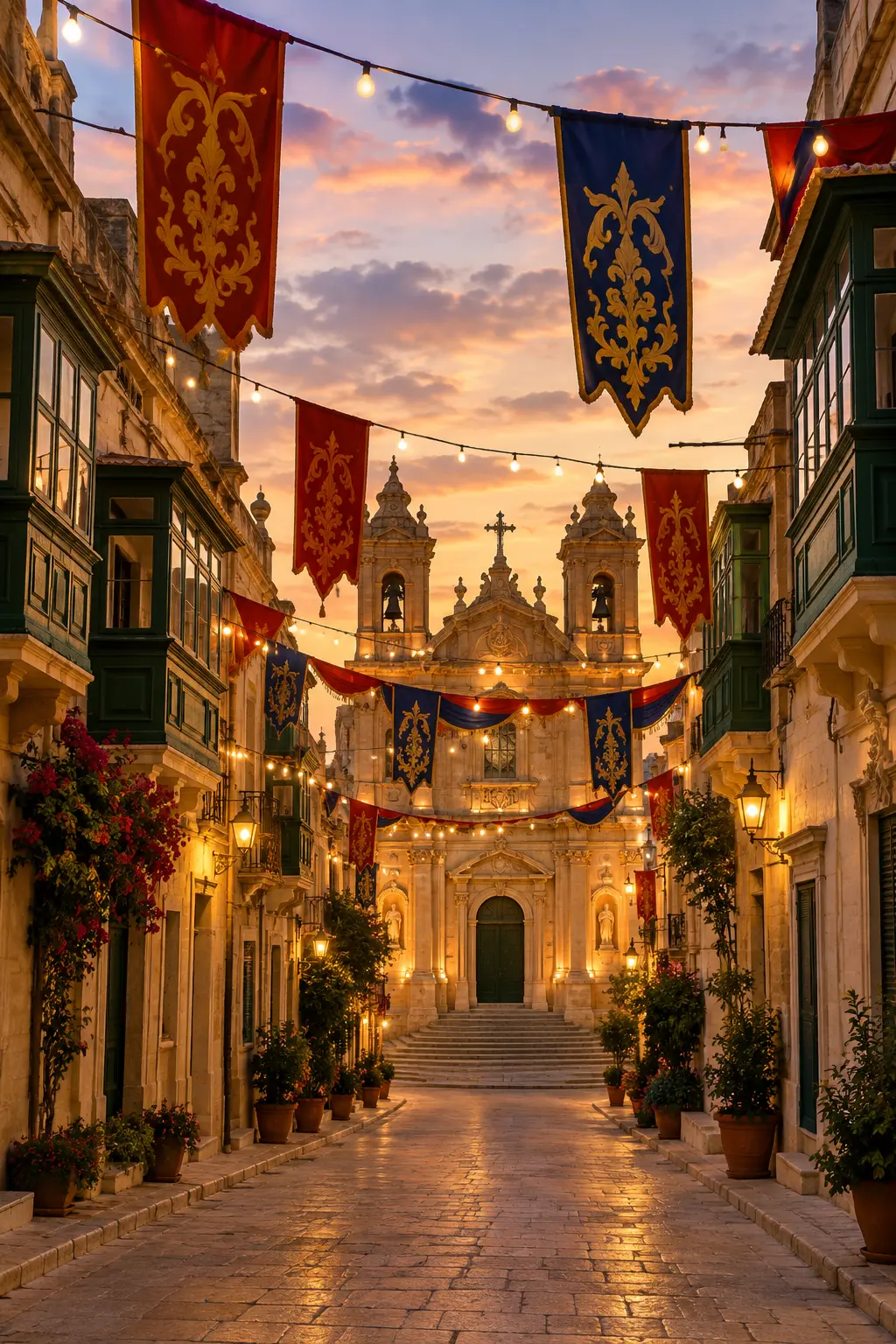
Every town and village celebrates its patron saint, mostly in summer, with street decorations, band marches, religious processions and fireworks. For a week it can feel like the whole neighbourhood is a party. Go and see it; it is one of the best ways into local life.
4. Fireworks, a lot of them
Festas come with fireworks: aerial displays, ground fireworks and loud petards, sometimes in the daytime. Pets and light sleepers find this hard. It is a deep tradition, so a good pair of earplugs is a better strategy than complaining.
5. The Church in public life
Malta’s constitution names the Roman Catholic Apostolic religion as the religion of Malta, and parish churches are at the centre of most towns. You will see religious processions, church bells and statues on street corners. Daily life is diverse and international, but tradition is visible everywhere.
6. English, with a twist
English is official, but Maltese is the language of home for most locals, and conversations switch between the two mid-sentence. Maltese English has its own expressions and rhythm. You will also hear Maltese spoken around you, and that is normal, not exclusion. Our guide to learning Maltese has the phrases that help most.
7. Directness and volume
Conversations can be loud and animated, and people may say exactly what they think. It rarely means anger. Equally, people are generous with time and help once they know you.
8. Time is flexible
Social plans can start later than arranged, and “I’ll do it tomorrow” can mean next week. Work meetings in international companies usually run on time; tradespeople and appointments may not. Build in buffers.
9. Bureaucracy is personal and paper-heavy
Expect forms, copies, appointments and sometimes a second visit. Knowing the right office or person helps a lot. Bring everything twice, stay polite and keep records.
10. Driving culture
Malta drives on the left, roads are busy and driving can be assertive. Parking is tight and roundabouts need confidence. Many newcomers decide the bus and ferry are less stressful.
11. Construction everywhere
Building work is part of daily life: cranes, noise and dust, sometimes right next door. It is one of the most common complaints among residents, local and foreign alike.
12. The Sunday rhythm
Sundays are for family, Mass for some, long lunches and the beach. Some shops and offices are closed, and roads to the coast are busy. Plan errands for other days.
13. Food culture
Pastizzi (flaky pastries with ricotta or peas), ftira bread, rabbit stew, fresh fish and a strong café culture. Meals with friends are long. Turning down food at a family lunch takes practice.
14. Summer heat, winter damp
The heat in July and August changes how people live: siestas, late dinners, beach after work. Winters are mild outside but homes without central heating can feel cold and damp. Both surprise newcomers.
15. A very international island
At the same time, Malta is full of people from everywhere. Your colleagues, flatmates and classmates may come from a dozen countries. That mix is a big part of the island’s energy, and of its turnover, as people come and go.

Things that are easier than you expect
- Language. You can do almost everything in English, from the bank to the doctor.
- Getting around without a car. With a personalised tallinja card, buses on day and night routes and the Valletta ferries are free.
- Meeting people. The island is small and full of other newcomers; once you join a weekly activity, faces repeat quickly.
- The outdoors. The sea, coastal walks and sunny winter days are on your doorstep and free.
- Feeling at home in your street. Shopkeepers remember you after a few visits, especially if you try a little Maltese.
Culture shock by type of newcomer
Students
The shock is often social rather than cultural: an exciting first month, then the realisation that classmates leave every few weeks. Anchor yourself with one activity that does not depend on your school, such as a sports club or a language exchange.
Remote workers
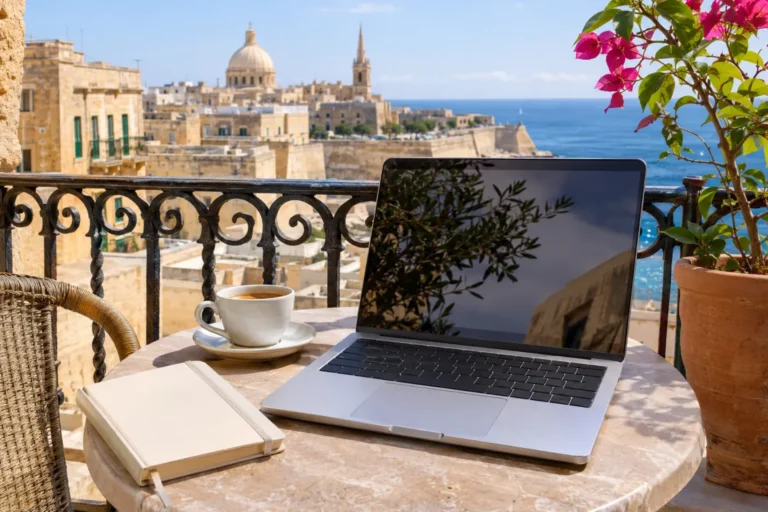
The biggest risk is isolation. Working from a flat means you can go days without a real conversation, which makes every frustration feel bigger. A coworking desk two days a week and a fixed weekly social plan make a big difference.
Families
Families usually feel the practical side most: school admin, heat, traffic on school runs and finding space. The upside is that Maltese culture is very family-friendly, and children often settle faster than their parents.
People moving for a partner
If your partner has a job and a ready-made team, you may be the one without a network. Build your own routine early, separate from theirs, with a class, a club or volunteering.
Is Malta friendly to foreigners?
Mostly, yes. People are helpful, curious and quick to recommend a restaurant or give directions, and English makes connection easy. In InterNations’ Expat Insider 2024 survey, 57% of respondents said they feel welcome in Malta, according to the InterNations Malta page. At the same time, Malta has changed fast, with population growth, construction and traffic, and some locals are frustrated by it. You may hear complaints about foreigners in general that are not about you personally.
The best response is the one that works everywhere: learn a little about the place, use a few Maltese words, respect local customs, and show up for your neighbours. Our guide to the pros and cons of living in Malta has the wider picture.
The stages of culture shock (and where Malta fits)
| Stage | What it often feels like in Malta | What helps |
|---|---|---|
| Honeymoon (weeks 1 to 4) | Sun, sea, pastizzi, everything is charming | Enjoy it, and start your paperwork early |
| Frustration (months 1 to 3) | Paperwork stalls, rent bites, traffic, noise, missing home | Routines, one weekly social commitment, realistic expectations |
| Adjustment (months 3 to 6) | You know your bus, your café, a few names | Join something local; learn some Maltese |
| Belonging (6 months +) | You explain festas to newcomers | Keep adding people as friends move on |
A general model; everyone’s timing is different.

Practical ways to cope
- Build a routine. The same café, the same swim spot, the same weekly class. Familiar faces make a place feel like home.
- Plan with people. One small plan a week with a place, a time and who pays. Our 30-day plan for making friends in Malta shows how.
- Find your groups. Meetup socials, InterNations, sports clubs and classes. Our guide to the expat community in Malta lists the ones I checked.
- Go to a festa. Ask neighbours which one is theirs and go with them.
- Learn ten Maltese phrases. Use them every day.
- Get out of the harbour area. A Gozo weekend or a walk at Dingli resets your perspective.
- Talk about it. Other newcomers are going through the same thing. If it gets heavy, the national mental health helpline 1579 offers free emotional support 24 hours a day.
Small, specific plans are the fastest cure for culture shock. That is the idea behind MeetNow, which is launching in Malta: a host posts a plan at a public place, with a time and who pays, and people ask to join with a short note. More at the end.
Safety when meeting new people
- Meet in public places first: a café, a promenade, a busy festa square.
- Tell a friend or flatmate where you are going.
- Know your way home; buses can be busy and diverted during festas.
- Leave whenever you feel uncomfortable.
A first-month culture checklist
- ☐ Learn five Maltese greetings and use them daily.
- ☐ Find out when your town’s festa is and plan to go.
- ☐ Try pastizzi, ftira and a Sunday lunch.
- ☐ Take the ferry between Sliema and Valletta.
- ☐ Walk a stretch of coast outside the harbour towns.
- ☐ Join one weekly activity and go four weeks in a row.
- ☐ Ask a Maltese colleague or neighbour to explain one local tradition.
For the admin side of your first month, our guide to moving to Malta step by step has a printable checklist.
Respectful habits that go a long way
- Dress modestly when visiting churches (shoulders and knees covered).
- Greet shopkeepers and neighbours; small talk matters.
- Do not complain about fireworks to the people who organise them.
- Accept invitations to family meals, and bring something.
- Ask before photographing people at religious processions.

Signs you have settled
Culture shock fades quietly. You know it has happened when you plan errands around Sunday, carry earplugs in festa season without thinking, greet the bus driver with “bonġu”, and find yourself explaining pastizzi to a visitor. Many people also notice a little reverse culture shock when they go home: queues that move fast, roads that feel empty, and nobody stopping to chat at the shop. That mix of feelings is a good sign. It means Malta has become one of your homes.
Frequently asked questions
What is culture shock like in Malta?
Usually mild, because English is spoken everywhere, but newcomers often feel frustrated after the first month by bureaucracy, rent, traffic, noise and how family-centred social life is. Most people adjust within a few months once they have a routine and a few friends.
Is Malta friendly to foreigners?
Mostly yes. People are helpful and open, and 57% of respondents to InterNations’ Expat Insider 2024 survey said they feel welcome. Some locals are frustrated by fast change and population growth, so a little cultural effort goes a long way.
What are festas in Malta?
Festas are village celebrations of each parish’s patron saint, mostly in summer, with street decorations, band marches, processions and fireworks. Visitors and newcomers are welcome, and going with local neighbours is the best way to enjoy one.
Is Malta very religious?
The constitution names Roman Catholicism as the religion of Malta, and churches, processions and religious holidays are part of public life. Daily life is also modern and international, and you will meet people of all beliefs.
How long does it take to settle in Malta?
Many newcomers feel settled within three to six months, especially if they join a weekly activity, make small plans with people and learn a few Maltese phrases. Keep adding new friends, as many expats move on.
What surprises people most about living in Malta?
Often the noise (construction and fireworks), the traffic, the pace of bureaucracy and how cold homes can feel in winter. On the positive side, people are often surprised by how quickly they get to know their neighbourhood.
Want to turn this into an actual plan? MeetNow is a free app for meeting people in person: a host posts a plan at a public place, says who pays (host pays, split, pay your own or free) and picks who joins. It works in your browser and on Android through Google Play, starting in Malta; the iPhone app is not in the App Store yet. Open MeetNow and see the plans in Valletta, Sliema and St Julian’s.
We may mention products we are connected with; see our affiliate and product disclosure.