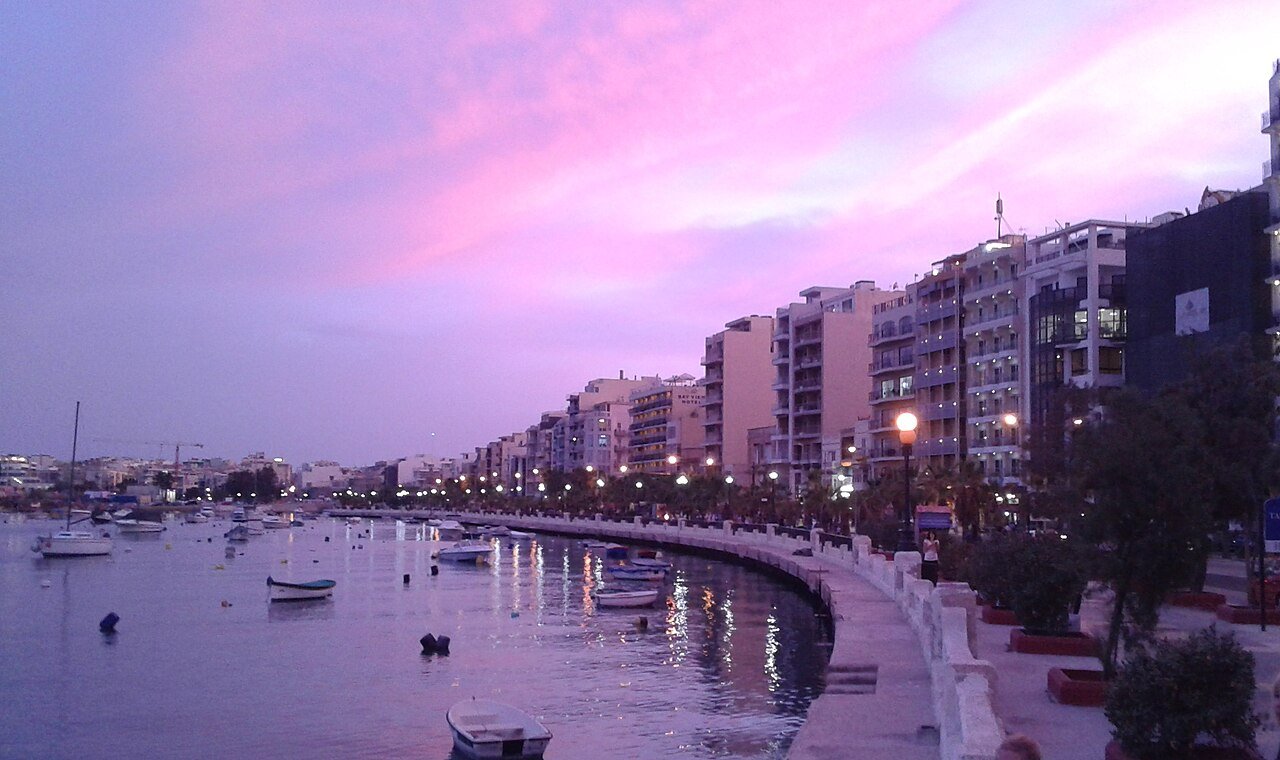
Living in Gżira (often spelt Gzira) means living in one of Malta’s most central and walkable towns: a strip of harbour-front flats between Sliema and Msida, a few minutes on foot from the Ta’ Xbiex offices and a 25-minute walk or short bus ride from St Julian’s, with Valletta’s skyline across the water. It is usually a little cheaper than Sliema, very practical without a car, and popular with young professionals. The trade-offs are traffic on the seafront road, construction noise and almost no parking.
If you are still comparing towns, our shortlists of the best areas to live in Malta for expats put Gżira in context. This guide zooms in on daily life in Gżira itself.
Living in Gżira at a glance
| Factor | Verdict |
|---|---|
| Location | Between Sliema, Ta’ Xbiex and Msida on Marsamxett Harbour |
| Typical one-bedroom asking rent | About €1,000–1,300 a month on a long let |
| Walk to | Sliema, Ta’ Xbiex, Msida, much of St Julian’s |
| Car needed? | No; parking is the bigger problem |
| Noise | High on the seafront road, moderate inland |
| Best for | Young professionals, couples, first-year expats |
Rent bands are rounded asking prices from agency and listing reports; last checked November 2026. Registered contract rents can be lower and harbour-view flats higher.
Rent in Gżira: what to expect
Gżira sits in the most expensive part of Malta, the north harbour, but it is rarely the most expensive town in it. Many newcomers start their search in Sliema and end up signing in Gżira because they get a little more space or a newer building for a similar budget.
- One-bedroom flat: commonly around €1,000–1,300 a month, more for new blocks with lifts and air conditioning in every room.
- Two-bedroom flat: a popular choice for sharing; split two ways it often costs less per person than a one-bedroom alone.
- Room in a shared flat: the cheapest way to live this centrally in your first months. Our guide to finding a shared apartment in Malta explains how to vet flatmates and landlords.
- Harbour-front flats: the views of Valletta and Manoel Island are spectacular, but the seafront road is loud. Visit at rush hour before you fall in love with the balcony.
Always insist on a lease registered with the Housing Authority, check what the deposit covers, and ask how electricity and water are billed. Older flats with poor insulation can produce surprising summer bills once the air conditioning runs all day.
Which part of Gżira to live in
Gżira is small, but it is not uniform, and the town itself is mostly flat apart from the inland streets. Think of it in three bands running parallel to the water.
The seafront (Triq ix-Xatt)
The promenade is the town’s best feature: palm trees, the yacht marina, views across to Valletta and an easy walk to Sliema. The road behind it is one of the busiest on the island, so seafront flats are bright and lively but rarely quiet. Choose a high floor or a flat at the back of the building if you are a light sleeper.
The middle streets
The streets one or two blocks back from the seafront are where most expats live. They are close to the bus stops and shops but noticeably calmer, with a mix of older townhouses and new apartment blocks. Construction is the main risk here: ask neighbours what is planned before you sign.
Upper Gżira, towards Kappara and San Ġwann
The higher streets inland are more residential and often a little cheaper. They suit people who want quiet evenings and do not mind a short uphill walk. Some streets are steep, which matters if you carry shopping or push a buggy.

Daily life: shops, gym, sea and nights out
Daily life in Gżira is easy because everything is within a short walk. Local grocers, bakeries, pharmacies and mini-markets line the inland streets, and bigger supermarkets are a short walk or bus ride away in Gżira, Msida and Sliema. Several gyms and fitness studios sit along the main roads, and the promenade is a favourite route for morning runs that continue all the way round to Sliema and Tigné.
Gżira has a growing food scene along the seafront and the streets behind it, from casual takeaways to sit-down restaurants, and you are a short walk from the cafés of Sliema. For big nights out most people head to Paceville in St Julian’s, which is close enough to reach without being under your window.
For swimming, the nearest rocky lidos and ladders are along the Sliema and Tigné coast, a 15 to 25 minute walk away. Gżira’s own waterfront is a working marina rather than a swimming spot.
Getting around from Gżira
Gżira’s biggest advantage is location. You can live here without a car and still reach most of the places expats work and socialise.
- On foot: Sliema (10 to 20 minutes), Ta’ Xbiex and Msida (5 to 15 minutes) and the Spinola side of St Julian’s (about 25 minutes).
- By bus: many routes between Valletta, Sliema, St Julian’s and the north pass through Gżira, so you rarely wait long. Our guide to Malta bus routes for daily commuting explains the network and how to plan a journey.
- By ferry: the Sliema–Valletta ferry leaves from the Sliema Strand, a short walk away, and is often faster than the bus at rush hour.
- By car: possible, but parking is very limited and the seafront road jams at peak times. Check whether a flat includes a garage space before you assume you can keep a car.
Manoel Island and the waterfront
Manoel Island, connected to Gżira by a short bridge, holds Fort Manoel, an 18th-century fortification built by the Knights, and a yacht yard. For years it was earmarked for a large private development. In 2026 the government reached an agreement with the developer MIDI to take Manoel Island and Fort Tigné back into public hands, with the sites placed under Heritage Malta and a commitment to amend the local plan so no development can take place on the island, according to Malta Daily. The plan is for the island to become a national park, shaped by public consultation.
For residents this is good news in the long term: a protected green and historic space next door instead of a construction site. How and when the island opens up more to the public is still being worked out, so check the latest before you count on it as your local park.

Pros and cons of living in Gżira
| Pros | Cons |
|---|---|
| Walkable to Sliema, Ta’ Xbiex and many offices | Heavy traffic and noise on the seafront road |
| Often a little cheaper than Sliema | Construction in many streets |
| Excellent bus links; ferry nearby | Very little parking |
| Harbour views and a long promenade | No real swimming spot in Gżira itself |
| Lots of other newcomers | Smaller green spaces until Manoel Island opens up more |
Who Gżira suits
Living in Gzira is a strong choice for young professionals working in St Julian’s, Ta’ Xbiex or Sliema, for couples who want to be central without paying top Sliema prices, and for anyone in their first year who wants to build a social life quickly. It suits families less well because of the traffic and the shortage of outdoor space, and people who need silence should look at quieter towns. Compare it directly with its neighbour in our guide to living in Sliema, or step back to where to live in Malta, area by area.
The other thing Gżira makes easy is saying yes. When a dinner or a game is a ten-minute walk away, you go, and in the first months in a new country that is what turns neighbours and colleagues into friends.
Want to turn this into an actual plan? Open MeetNow and see the plans posted in Malta. It is free and works in your browser: a host posts a plan at a public place, says who pays (host pays, split, pay your own or free) and picks who joins, starting in Malta.
Frequently asked questions (FAQ)
Is Gżira a good place to live?
For many expats, yes. Gżira is central, flat and walkable, sits between Sliema and the St Julian’s and Ta’ Xbiex offices, and is usually a little cheaper than Sliema. The downsides are traffic on the seafront road, construction and limited parking.
Is Gżira cheaper than Sliema?
Usually a little. A one-bedroom flat in Gżira typically asks around €1,000 to €1,300 a month on a long let, while comparable flats in central Sliema often ask more. Seafront flats with harbour views cost more in both towns.
Is Gżira safe?
Gżira is generally considered safe for residents. As in any busy area, use normal precautions late at night and around bars, keep valuables out of sight in cars and be careful crossing the busy seafront road.
Do you need a car in Gżira?
Most people living in Gżira manage without one. You can walk to Sliema, Ta’ Xbiex and much of St Julian’s, many bus routes pass along the seafront and inland roads, and the Sliema ferry to Valletta is a short walk away. Parking is scarce, so a car can be more hassle than help.
What is happening with Manoel Island?
In 2026 the government agreed with the developer MIDI to take Manoel Island and Fort Tigné back into public hands, with the sites placed under Heritage Malta and a commitment to change the local plan so that no development can take place on the island. Plans for a national park and public access are still being worked out.