Short answer: a good retiring in Malta social life is built on daytime routines rather than evenings out. The people who settle best join one or two things that meet every week (the University of the Third Age for over-60s, a walking group, a choir, a club or volunteering), become regulars at a local café and parish, and suggest small daytime plans: a coffee, a promenade walk, a long lunch. The island is small, buses are free for residents with a personalised Tallinja card, and English is spoken everywhere, so the practical barriers are low. The real risk is drifting into weeks with nobody to talk to, especially in your first winter. Information last checked late October 2026.
What a retiring in Malta social life looks like
The retirees who seem happiest in Malta tend to describe their week in a similar way: something fixed most mornings, a long lunch once or twice a week, and evenings that are quiet by choice rather than by default. A walk along the same promenade at the same time every morning, for example, slowly turns strangers into nodding acquaintances and then into a loose group who sometimes stop for coffee together. A weekly class does the same thing indoors: it gives you a reason to get dressed, leave the flat and see the same faces every Tuesday.
That is the shape to aim for. Malta suits retirement in many ways: it is compact, English is an official language, the winters are mild and there is a sizeable community of retired residents from the UK and elsewhere in Europe. But the social side does not arrive with the sunshine. A few patterns are worth knowing before you start:
- Daytime is your advantage. Working people are busy from 8:00 to 18:00. Classes, walks, volunteering and café regulars in the daytime are full of people with the same free time as you.
- Maltese social life runs through family, parish and village. Older Maltese people often have deep local networks. You can become part of them, but it happens slowly, through being seen at the same places week after week.
- The seasons change everything. Summer heat pushes life into early mornings and evenings; winter brings quieter streets and, for many retirees, visits home. Both can leave gaps if you have not built routines.
- Turnover affects you too. Some retired residents spend part of the year elsewhere or move back home as health or family needs change. A circle with a mix of nationalities and ages lasts longer.
Our wider guide to social life in Malta for expats covers how friendships here tend to form at any age.
Where you live shapes who you meet
On an island this size, everything is reachable, but your daily social life will mostly happen within walking distance of home. Think about that as much as the view.
| Area | Social life for retirees | Watch out for |
|---|---|---|
| Sliema and St Julian’s | Promenade walks, cafés, many English speakers, shops and services close by | Busy, noisy and expensive; construction |
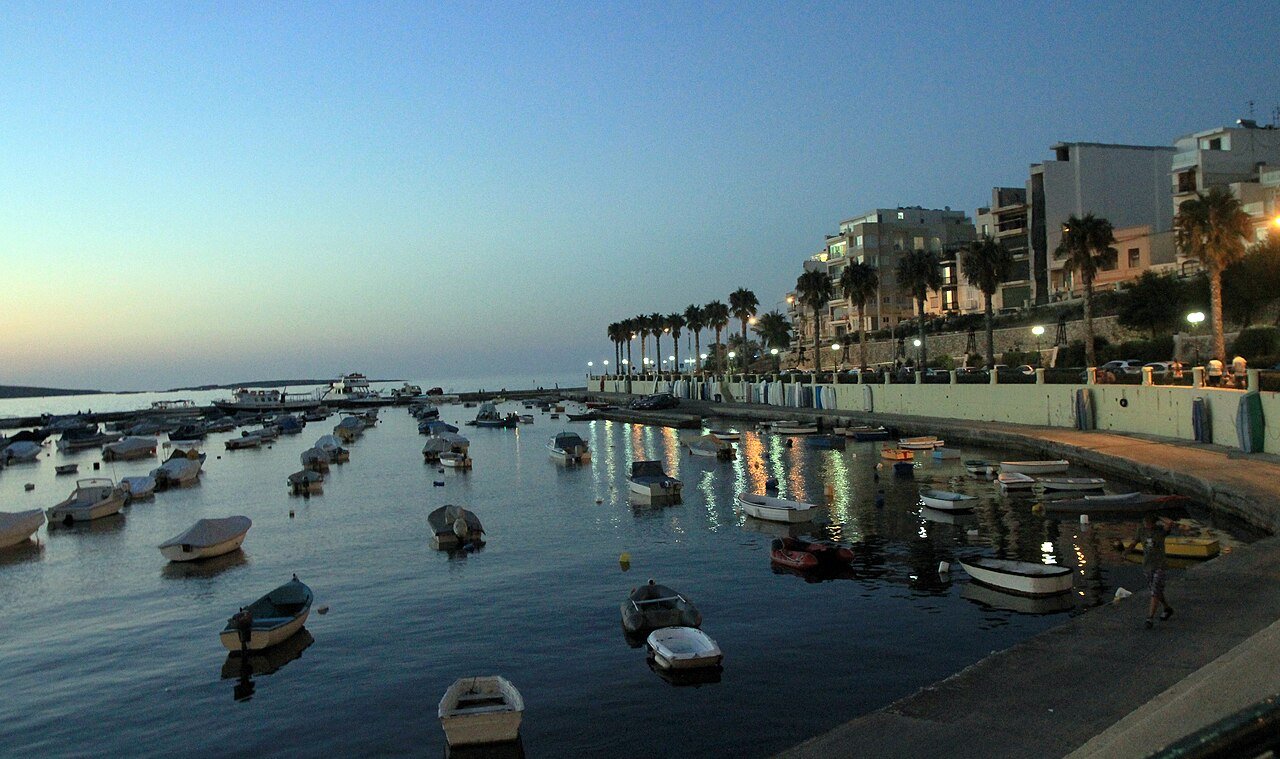
| Qawra, Buġibba and St Paul’s Bay | Long flat promenade, a large retired community, plenty of cafés | Quiet in winter in parts; summer tourism |
| Mellieħa | Village feel with parish life, close to beaches | Hilly; you will want good bus links |
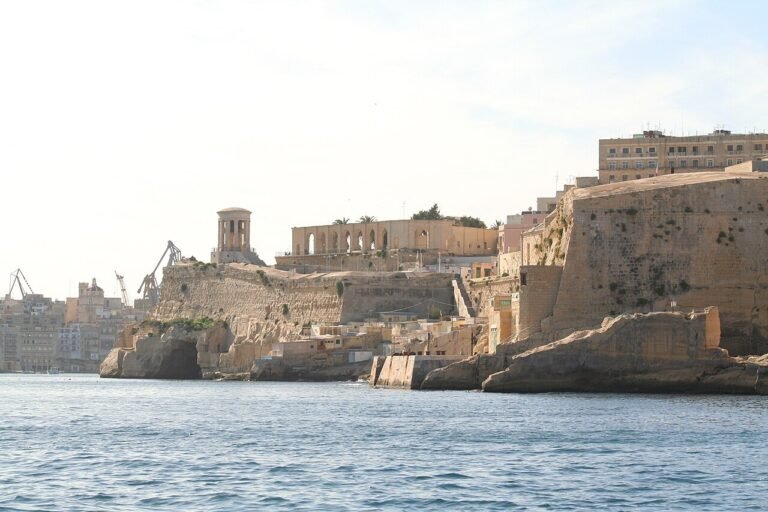
| Valletta and the Three Cities | Culture, history, close-knit neighbourhoods | Steps and steep streets; limited parking |
| Inland villages | Strong parish and band-club life; quieter and often cheaper | Fewer English speakers in some places; you need to make the effort |
| Gozo | Slower pace, countryside, a smaller and close retired community | Ferry to Malta for some services; very quiet in winter |
General guide, last checked late October 2026. Visit in winter as well as summer before you commit.
Gozo deserves a special word. Many retirees love its pace, but the same quiet that feels restful in May can feel isolating in February. If you are drawn to Gozo, read our guide to living in Gozo as an expat and plan your weekly fixed points before you move, not after.

Groups and classes for over-50s and 60s
University of the Third Age (U3A)
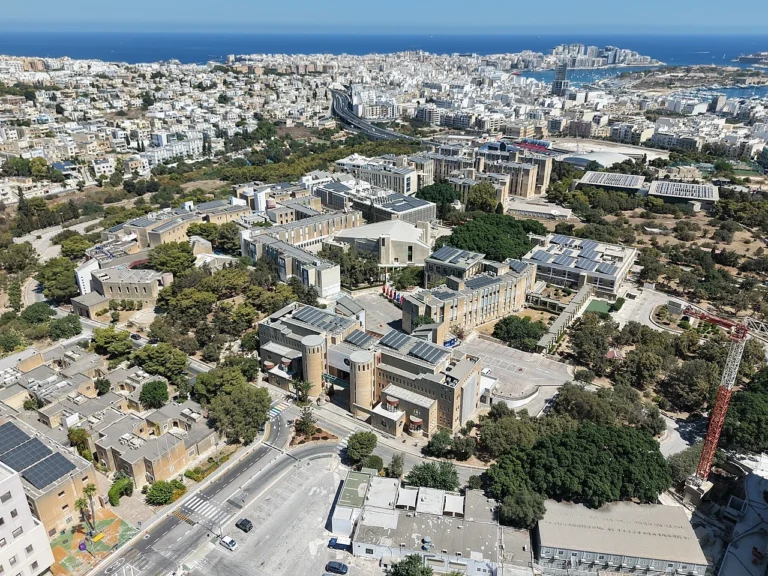
The University of Malta runs a University of the Third Age for anyone over 60, with no academic qualifications needed. For the 2026–27 year, which runs from October 2026 to June 2027, the annual fee is €12. You can apply online or in person during the registration period in Floriana from 5 October 2026. The U3A runs from several centres, including Floriana, Sliema, St Paul’s Bay, Bormla, Birżebbuġa, Mellieħa and Gozo, so there may be one near you. Check the programme for each centre, including the language each course is taught in, on the University of Malta U3A page.
For a newcomer it is hard to beat: a weekly session, the same faces every time, a subject to talk about and a fee that is barely more than a lunch.
Adult education and language classes
The government’s lifelong learning programme offers adult courses, usually from October to May, with applications in summer; private language schools, art studios and cookery schools run daytime and evening classes too. A Maltese language class is especially useful. Even a few phrases change how neighbours, shopkeepers and the people at your parish respond to you.
Walking, swimming and keeping active
Morning walks along the promenades, cliff paths in the cooler months and year-round sea swimming groups are where many retirees make their first friends. Look on Meetup and Facebook for walking and swimming groups, and check they have held events in the last month; groups appear and fade. Gyms and pools often have quieter daytime sessions with plenty of older members.
Clubs, choirs and societies
Bridge, chess, choirs, art societies, gardening and history groups all exist in Malta, many of them with strong retired memberships. Some are run in English, some in Maltese and some in both. The best way to find the active ones is to ask at your local council, parish or library, and to look for notices at community centres. Visit once, then go back; nobody remembers a one-off visitor.
Parish, band clubs and village life
Every town and village has a parish church and usually one or more band clubs (każini), which are music societies and social clubs with a bar. Older Maltese residents are often at the heart of both. Going to the same morning Mass, helping with the festa or becoming a regular at the club bar is a slow but reliable route into local friendships.
Volunteering
Charities working with animals, the environment, heritage, food poverty and older people value volunteers who can commit to daytime shifts. Retirees bring exactly what they need: time, reliability and decades of skills. A weekly slot is one of the strongest anchors you can have.
National and community associations
Several nationalities have long-standing associations of residents in Malta that organise lunches, talks and outings. They are useful in your first months, especially for practical advice, though most people find their closest friendships come from shared activities rather than shared passports.
A 12-week plan for your first season
The aim is three fixed points a week by the end of the third month: one learning, one active and one social. Costs are per person and approximate.
| Week | Action | Where | Cost (EUR) |
|---|---|---|---|
| 1 | Get your personalised Tallinja card; walk your neighbourhood at the same time each morning | Your local promenade or square | €0 (buses free with personalised card) |
| 2 | Choose a regular café and go at the same time three days a week | Near home | A coffee |
| 3 | Register for U3A (over 60) or an adult class | U3A centre or class venue | U3A €12 a year (2026–27) |
| 4 | Join one walking or swimming group | Meetup or Facebook group, coast path or promenade | Usually €0 |
| 5 | Visit your parish and local band club; say hello to the same people | Your town or village | A drink |
| 6 | Suggest a coffee to one person from your class or group | A café near the class | Pay your own |
| 7 | Start a weekly volunteering shift | A charity you contacted in week 4 | €0 |
| 8 | Host a small lunch for three or four people | Your home, or a restaurant | Host pays, or split; say which |
| 9 | Try a club or society: bridge, choir, art or history | Community centre or club venue | Membership varies |
| 10 | Day trip with someone you have met | Gozo, Mdina or the Three Cities | Ferry and lunch; pay your own |
| 11 | Introduce two people you know to each other | A coffee for three | Pay your own |
| 12 | Set a standing plan: a weekly walk or a monthly lunch | Same place, same time | Agreed in advance |
Last checked late October 2026. Costs are planning ranges, not quotes, except the U3A fee published by the University of Malta.

Getting around, health and the seasons
Buses and getting around
If you live in Malta and have a personalised Tallinja card, bus travel is free, which makes it easy to say yes to plans across the island. Budget 2027 announced that third-country nationals who have lived in Malta for less than five years will lose free travel, so check the rules for your residence status. Buses can be crowded in summer and some routes are slow, so leave extra time. Our guide to the Tallinja card explains how to apply. Pavements in older towns can be narrow and uneven and many streets are steep, so if mobility is a concern, choose a flat area with services close by.
Health
Register with a GP early, before you need one, and find out what public healthcare you are entitled to based on your residence and social security status. Our guide to healthcare in Malta for expats explains the public and private options. A GP or pharmacist you see regularly is also part of your local network.
The seasons
From June to September, plan your social life around the heat: early-morning walks and swims, indoor or shaded lunches, evening strolls once it cools. From December to March, most days are mild but some are wet and windy, and many homes are colder indoors than people expect. Keep at least two indoor anchors (a class, a club, a volunteering shift) so winter does not empty your week.
A note on tax and residence
Malta has specific residence and tax programmes for retirees, and the rules change from time to time. This guide does not cover them; check the official Commissioner for Revenue and residency sources, or speak to an adviser, before you move.
Openers for daytime plans
These messages are specific, low-pressure and make clear who pays, which matters more than people think when budgets and pensions vary.
After a U3A or adult class: “There’s a café just round the corner. I’m going for a coffee before the bus, each of us pays our own. Would you like to come?”
To someone you see on your morning walk: “We seem to walk at the same time every day. I’m going as far as the next bay on Thursday if you’d like company. Same time, 8:00.”
To a neighbour: “We’ve just moved in and would love to get to know people. Would you like to come for coffee and cake on Saturday afternoon? We’ll host.”
To someone from a club: “A few of us are going to Gozo for the day next Wednesday, ferry around 10:00 and a long lunch. Everyone pays their own. Want to join us?”
To a fellow volunteer: “Shall we get lunch after the shift on Friday? We can split the bill.”
Meeting someone new for the first time? Choose a public place, tell someone where you are going, have your own way home and leave if anything feels wrong. It is the same advice at any age.
The traps that lead to isolation
- Living only in the expat bubble. It is comfortable, but a circle made only of other retired newcomers shrinks as people move or spend months away. Add Maltese neighbours, parish life and mixed-age activities.
- Relying on one person. Couples often lean entirely on each other, which leaves the surviving partner very alone if something happens. Build friendships separately as well as together.
- Waiting to be invited. In Malta, as anywhere, the newcomer usually has to make the first move. Suggesting a specific plan is not pushy; it is what makes things happen.
- Letting winter or summer empty your diary. Plan your anchors for the season ahead.
- Too much time alone with news and screens. It makes quiet days feel lonelier. Get out in daylight every day, even briefly.
- Drinking to fill the evenings. Easy to slip into in a sunny place with cheap wine. Notice it early.
If you have tried and still feel stuck, our guide to loneliness after moving to Malta has a longer step-by-step plan.
When it is more than loneliness
Retirement abroad can bring loss on top of a big move: a partner’s illness or death, distance from grandchildren, health worries or the end of a working identity. If low mood, poor sleep or withdrawal have lasted more than a couple of weeks, please talk to someone. All of these services work in English.
If you need help now
- 112: emergency. Call if you or someone else is in immediate danger.
- 1579: national mental health helpline, free, 24/7.
- 1770: Richmond Foundation helpline, Monday to Friday 08:00 to 20:00, Saturday until 16:00; also via OLLI.Chat.
- 179: Supportline, free 24-hour social welfare support line.
- Kellimni.com: free, anonymous online chat with professionals, 24/7.
Sources: Richmond Foundation, Get help now; Kellimni.com. Last checked late October 2026.
Your GP can also help and refer you on. If you are worried about a friend or neighbour, a knock on the door and an offer of a coffee can matter more than you think.
Retiring in Malta social life: FAQ
Is Malta a good place to retire socially?
It can be. Malta is compact, English is an official language, the climate is mild and there is a sizeable community of retired residents. A good social life still takes effort: weekly activities, local routines and small plans you suggest yourself.
What is the University of the Third Age in Malta?
It is a programme run by the University of Malta for people over 60, with no qualifications required. For October 2026 to June 2027 the annual fee is €12, and it runs from several centres in Malta and Gozo.
Where do retirees meet people in Malta?
At U3A and adult classes, walking and swimming groups, clubs and societies, parishes and band clubs, volunteering, national associations and simply as regulars at the same café or promenade every day.
Is public transport free for retirees in Malta?
Bus travel is free for residents of Malta with a personalised Tallinja card, whatever their age. You need to apply for the personalised card.
Is Gozo or Malta better for a retired social life?
Gozo is quieter, slower and closer-knit; Malta, especially Sliema and St Paul’s Bay, has more activities, services and English speakers. Many people prefer Gozo in spring and autumn but find winter there very quiet, so visit in more than one season first.
What should I do if I feel lonely after retiring to Malta?
Add one fixed weekly activity at a time and suggest one small daytime plan a week. If loneliness affects your mood, call 1579, the free 24/7 mental health helpline, or talk to your GP.
Want to turn this into an actual plan? MeetNow is a free app for meeting people in person: a host posts a plan at a public place, says who pays (host pays, split, pay your own or free) and picks who joins. It is live on the web, starting in Malta: open MeetNow and see the plans posted in Malta.
This guide is general information, not medical, legal or tax advice. In an emergency call 112.
Featured photo: Buġibba harbour in the evening, by Karelj, CC BY-SA 3.0, via Wikimedia Commons.