Short answer: Malta has a public health system of health centres and hospitals, led by Mater Dei Hospital in Msida and Gozo General Hospital, alongside a large private sector of GP clinics, specialists and pharmacies. Whether public care is free for you depends on your status: people entitled under Maltese legislation (typically those living here and covered by Malta’s social security) use it free, EU visitors use their European Health Insurance Card for urgent or necessary care, and people on EU S1 forms register with the Entitlement Unit for a Certificate of Entitlement. Many newcomers also use private GPs and private insurance. In an emergency, call 112. This guide explains where to go for what, what it costs and how to sort your entitlement. It is general information, not medical advice.
The first time I needed a doctor here, I had no idea whether to go to a health centre, a private clinic or straight to Mater Dei. It was a sore throat. The answer, like most things in Malta, depended on paperwork I had not sorted yet. Here is the map I wish I had had.
How healthcare in Malta works
There are two parallel systems:
- Public (state) healthcare: health centres across Malta and Gozo for primary care and urgent needs, and public hospitals, mainly Mater Dei in Msida and Gozo General Hospital. Free at the point of use for people who are entitled.
- Private healthcare: GP clinics (often attached to pharmacies), specialists, private hospitals and dentists. You pay per visit, or through private insurance.
Most expats use both: private GPs for quick, everyday visits, and the public system for emergencies, hospital care and anything major.
Who is entitled to free public healthcare?
The official guidance on the government’s healthcare entitlement page sets out the main routes. In summary:
| Your situation | How you access public care |
|---|---|
| Living in Malta and entitled under Maltese legislation (for example, working and paying social security contributions) | Free public healthcare at health centres and public hospitals |
| EU visitor on a temporary stay | Present a valid European Health Insurance Card (EHIC) for urgent or medically necessary treatment |
| EU national living in Malta on an S1 form (for example, a posted worker or pensioner) | Register the S1 with the Entitlement Unit to receive a Certificate of Entitlement, which you show at public hospitals and health centres |
| Non-EU national not covered by Maltese social security | Usually private health insurance; some permits, such as the Nomad Residence Permit, require it |
Source: government healthcare entitlement guidance, last checked October 2026. Rules depend on your exact status; check before you rely on free care.
Medicines
According to the same guidance, medication prescribed during inpatient treatment, or for the first three days after discharge, is free for entitled persons; medication prescribed after that must be paid for in full by the patient and is not refundable. Some people qualify for free medicines under separate schemes; ask your doctor or pharmacist.

Where to go for what
| Need | Where to go | Cost | Hours |
|---|---|---|---|
| Life-threatening emergency | Call 112 or go to the Accident & Emergency department at Mater Dei (Malta) or Gozo General Hospital | Free for entitled persons and EHIC holders for emergencies | 24 hours |
| Urgent but not life-threatening | Your nearest health centre, or a private clinic | Free at health centres if entitled; private fees vary | Check the official Health Site Finder |
| Everyday GP visit | Health centre or a private GP clinic | Free at health centres if entitled; private consultations are paid | Private clinics often have morning and evening sessions |
| Prescriptions and minor advice | A pharmacy | You pay for most prescribed medicines outside hospital | Weekdays and Saturdays; a rota covers Sundays and public holidays |
| Mental health support | 1579 mental health helpline; your GP | Free helpline | 24 hours |
| Dental care | Mostly private dentists | Private fees | By appointment |
Last checked October 2026. Hospital contact numbers from the official guidance: Mater Dei Hospital +356 2545 0000; Gozo General Hospital +356 2344 6000.
Health centres
Health centres are spread across Malta and Gozo and provide emergency and necessary treatment as well as routine primary care. The official guidance links to a Health Site Finder that shows locations. Waiting times vary; arrive early and bring your ID and any entitlement document.
Mater Dei and Gozo General Hospital
Mater Dei Hospital in Msida is Malta’s main acute hospital, with the Accident & Emergency department for the main island. Gozo General Hospital serves Gozo. In acute emergencies, the official advice is to call 112 for an ambulance or go directly to A&E.
Finding a GP: Malta GP clinics
Most expats find a private GP they can walk to, often a clinic attached to a local pharmacy, and use them for colds, check-ups, sick notes for work and referrals. Practical tips:
- Ask colleagues, neighbours and your pharmacist who they use.
- Check the clinic’s session times; many run morning and early-evening clinics.
- Keep a copy of your medical history in English, especially for regular medication.
- For ongoing conditions, ask whether the doctor can follow you over time rather than seeing whoever is on duty.
Pharmacies, including Sundays
Pharmacies are everywhere and pharmacists are a good first stop for minor problems. On Sundays and public holidays, pharmacies open on a rota. The current list is published locally each week; ask your nearest pharmacy, check a local news site’s Sunday pharmacy list, or look for the notice on the pharmacy door. Many common medicines that need a prescription elsewhere in Europe also need one here, so bring your prescriptions or ask a GP.
Sick days and prescriptions from abroad
If you are off work sick, employers usually ask for a medical certificate from a doctor, so a quick GP visit is often needed even for a short illness; check your contract for the exact rule. If you take regular medication, bring enough for your first weeks and a copy of your prescription with the generic name of the medicine, not just the brand. A local GP can then prescribe the equivalent. Pharmacists can tell you whether a medicine is available in Malta and what it costs before you see a doctor.
Private health insurance: the types
I will not recommend specific insurers, but it helps to know the main types:
- Employer group schemes: many international employers in Malta include private health insurance. Ask what it covers (outpatient, inpatient, dental) and whether family members can be added.
- Local individual policies: sold by insurers in Malta; usually focused on private hospital care and specialists.
- International expat policies: cover you in several countries; often required or chosen by remote workers and people on residence permits.
- Travel insurance: for short trips only. It is not a substitute for health insurance for residents, and the Nomad Residence Permit explicitly does not accept it.
Check exclusions for existing conditions, waiting periods, outpatient limits and whether the policy pays the hospital directly or reimburses you.
Healthcare in Gozo
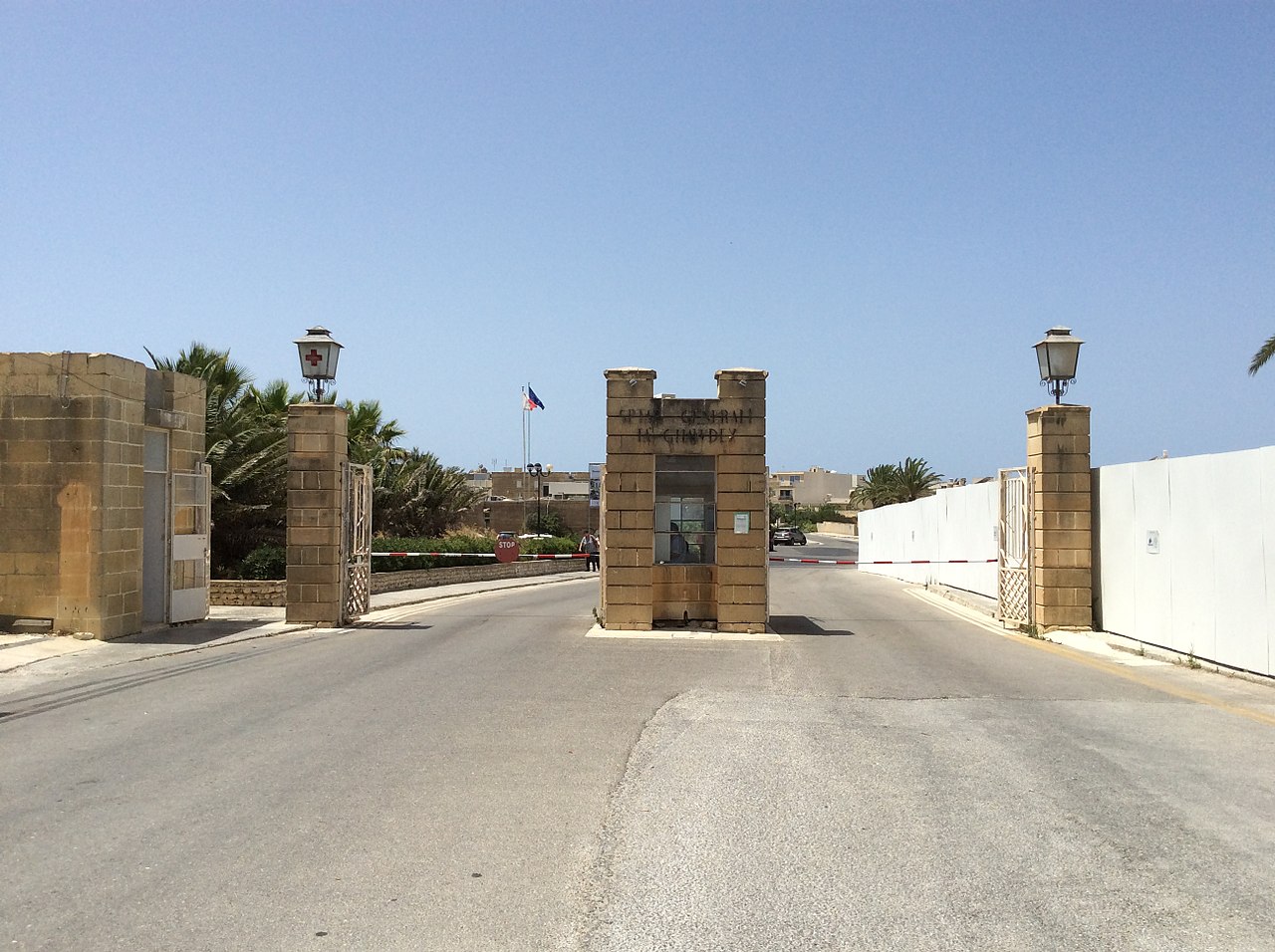
Gozo has its own hospital, Gozo General Hospital, plus health centres and private clinics, so most everyday and emergency care is available on the island. Some specialist treatment may mean a trip to Mater Dei in Malta, which involves the ferry, so ask your doctor how appointments are arranged. If you live in Gozo, keep the Gozo General Hospital number (+356 2344 6000) saved alongside 112.
Families, children and pregnancy
- Register early. Find a GP or paediatrician you can reach easily before you need one.
- Vaccinations. Bring your children’s vaccination records and ask a GP or health centre how Malta’s schedule compares with your home country’s.
- Pregnancy. Ask about public and private antenatal care as soon as you can; your entitlement status decides which route is free.
- Insurance. If you use private cover, check whether children and maternity are included and whether there are waiting periods.
What to budget for
Even if you are entitled to free public care, most expats spend something on health each year. Private GP consultations, specialist visits and dental work are paid, and so are most prescribed medicines outside hospital. Prices vary by clinic, so ask before you book. If you have private insurance, check the excess and the outpatient limit; some policies cover hospital care well but pay little for GP visits. Our cost of living guide puts health alongside your other monthly costs.
Useful Maltese words at the doctor
| English | Maltese |
|---|---|
| Doctor | Tabib |
| Hospital | Sptar |
| Pharmacy | Spiżerija |
| Health centre | Ċentru tas-saħħa |
| Emergency | Emerġenza |
Staff almost always speak English, but you will see these words on signs.
Step by step: sorting healthcare when you arrive
- Bring your EHIC if you are an EU citizen, for the period before your status in Malta is settled.
- Find out your entitlement. If you are employed here, ask your employer how social security registration works; if you are on an S1, register it with the Entitlement Unit.
- Arrange private insurance if you are not covered, or if your permit requires it.
- Find your nearest health centre and a private GP. Save both addresses in your phone.
- Save the numbers: 112 for emergencies, 1579 for mental health support, and the hospital numbers above.
- Bring your medical history and a supply of regular medication for your first weeks.
Common mistakes
- Assuming free public care before your entitlement is confirmed.
- Relying on travel insurance after you have moved to Malta.
- Going to A&E for minor problems that a health centre or GP could see faster.
- Running out of regular medication because you did not bring a prescription.
- Not knowing which pharmacy is open on Sunday until you need one.
Looking after yourself in your first months
Moving abroad is stressful, and loneliness is a real health issue, not a soft one. If things feel heavy, the national mental health helpline 1579 offers free emotional support and practical guidance around the clock, and your GP can refer you to further help. Exercise, the sea and regular contact with people all help. Our 30-day plan for making friends in Malta is built around small, weekly social habits.
For the bigger picture: our guides to moving to Malta step by step and working in Malta cover social security and employment, our digital nomad guide covers the health insurance required for the Nomad Residence Permit, and our cost of living guide helps you budget for private visits.

Frequently asked questions
Is healthcare free in Malta for expats?
Public healthcare is free for people entitled under Maltese legislation, which typically includes people living in Malta and covered by its social security system. EU visitors can use their EHIC for urgent or necessary care, and EU nationals on S1 forms register for a Certificate of Entitlement. Others usually need private insurance.
What is the emergency number in Malta?
Call 112 for an ambulance in an emergency, or go directly to the Accident & Emergency department at Mater Dei Hospital in Malta or Gozo General Hospital in Gozo.
Can I use my EHIC in Malta?
Yes, for urgent or medically necessary treatment in state healthcare during a temporary stay. It does not cover private healthcare. If you move to Malta, your entitlement depends on your new status.
Do I have to pay for medicines in Malta?
Medicines prescribed during a hospital stay, or for the first three days after discharge, are free for entitled persons, according to official guidance. Medicines prescribed after that are generally paid for in full, although some people qualify for free medicines under separate schemes.
How do I find a GP in Malta?
You can use your local public health centre if you are entitled, or a private GP clinic, often attached to a pharmacy. Ask colleagues and neighbours for recommendations and check the clinic’s session times.
Which pharmacies are open on Sunday in Malta?
Pharmacies open on a rota on Sundays and public holidays. Ask your local pharmacy, check the weekly Sunday pharmacy list published locally, or look for the notice on the pharmacy door.
Do I need private health insurance in Malta?
If you are not entitled to free public healthcare, yes, and some permits require it. Even entitled residents often take private cover, sometimes through an employer, for faster access to private GPs and specialists.
Want to turn this into an actual plan? MeetNow is a free app for meeting people in person: a host posts a plan at a public place, says who pays (host pays, split, pay your own or free) and picks who joins. It works in your browser and on Android through Google Play, starting in Malta; the iPhone app is not in the App Store yet. Open MeetNow and see the plans in Valletta, Sliema and St Julian’s.
This guide is general information, not medical advice. We may mention products we are connected with; see our affiliate and product disclosure.