Mater Dei Hospital in Msida runs Malta’s main Emergency Department, open 24 hours a day, every day of the year. For a life-threatening emergency, call 112. On arrival you are registered and triaged by a nurse, and the most urgent cases are seen first. For problems that are urgent but not serious, a 24-hour health centre is usually faster.
This guide explains how a Mater Dei emergency visit works for people who are new to Malta: what to bring, how long you may wait and why, who pays, and where else to go when A&E is not the right place.
When to go to Mater Dei emergency
The Emergency Department, still often called A&E, is for serious and sudden problems. Go, or call 112, for things such as:
- Chest pain, difficulty breathing or signs of a stroke, such as a drooping face, weak arm or slurred speech.
- Heavy bleeding, a suspected broken bone or a serious head injury.
- Loss of consciousness, a seizure or sudden confusion.
- Severe allergic reactions, serious burns or poisoning.
- A road accident, a fall from height or any injury after which the person cannot move normally.
For a high temperature, a minor cut, a sprain, an ear infection or a prescription you forgot to renew, a health centre, a private GP or a pharmacist is usually the better choice. You will be seen sooner, and the Emergency Department can focus on the patients who need it most.
Calling 112
112 is Malta’s emergency number for ambulance, police and fire, and it is free from any phone. When you call:
- Say it is a medical emergency and give the exact address, including the locality, street, building name and floor. Many Maltese addresses use house names rather than numbers, so add a landmark if you can.
- Describe what happened and the person’s condition: are they awake, breathing, bleeding?
- Stay on the line and follow the instructions. Do not hang up until you are told to.
- Send someone down to meet the ambulance if you live in a block of flats or a narrow street.
Save your full address in Maltese and English in your phone’s notes. In a stressful moment it is easy to forget the name of a street you have lived on for only a few weeks.
Where it is and how to get there
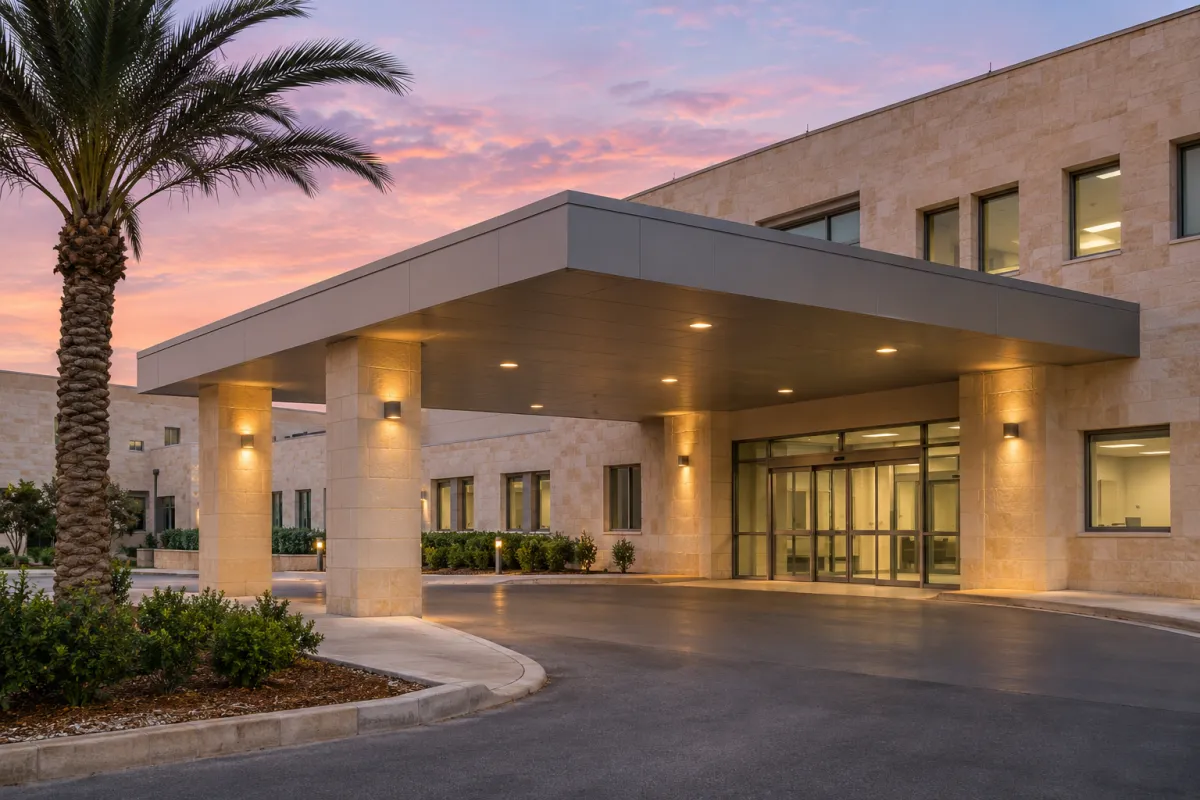
Mater Dei Hospital stands on Triq Dun Karm in Msida, close to the University of Malta and the main road between the centre and the north of the island. Our guide to the Msida student area describes the neighbourhood around it. The Emergency Department has its own entrance, separate from the main hospital entrance used for appointments.
- By ambulance: call 112 for anything serious. Do not drive yourself if you feel faint or have chest pain.
- By taxi or ride-hailing app: a good option for less severe injuries. Tell the driver you need the Emergency Department entrance. See our guide to taxi prices in Malta for typical fares.
- By bus: Mater Dei is one of the island’s busiest bus stops, served by many routes. Check live times in the tallinja app, and only use the bus if you are well enough to travel alone.
- By car: there is parking at the hospital, but spaces fill quickly at busy times. Let a friend drive and drop you at the entrance.
What happens at triage
The Emergency Department works on clinical priority, not on arrival time. The process usually looks like this:
- Registration. At reception you give your name, ID and contact details, and say briefly what is wrong.
- Triage. A triage nurse checks your vital signs, such as pulse and temperature, asks about your symptoms and decides how urgent your case is.
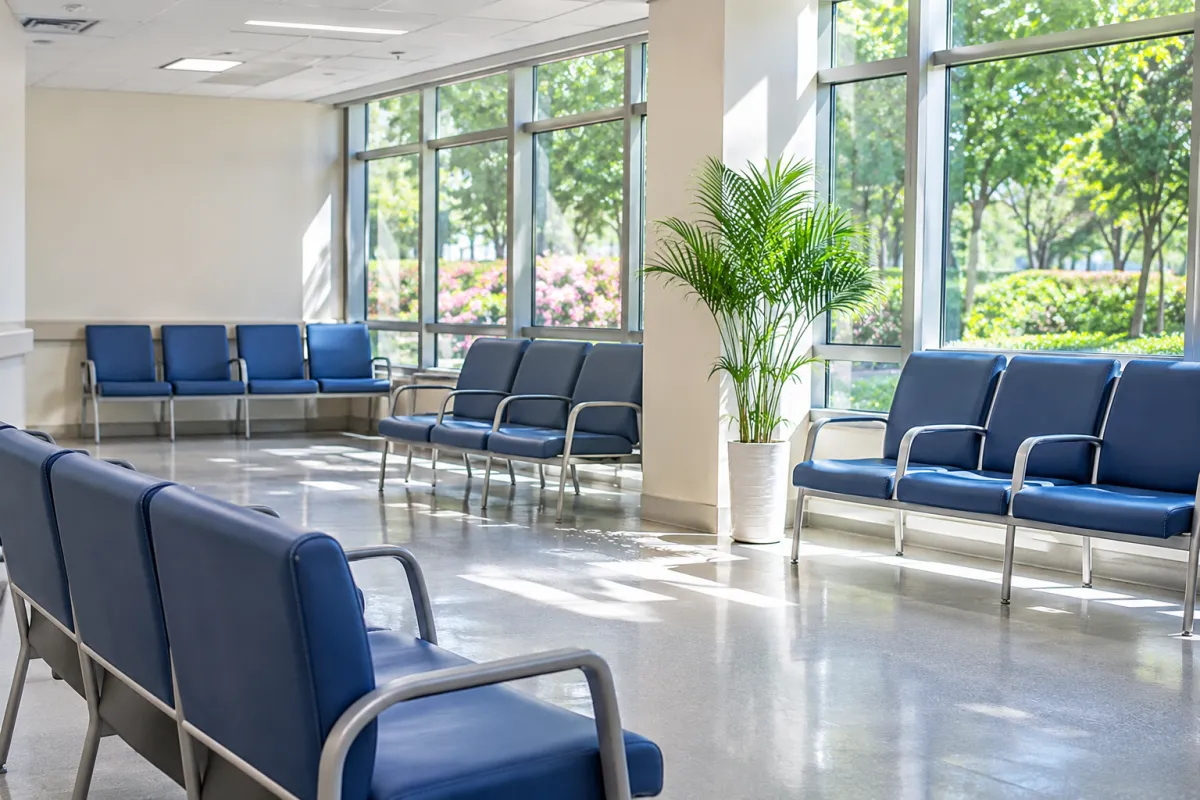
- Treatment area. The most urgent patients are seen straight away. Others wait in a waiting area until a doctor is free, and children are seen in a separate paediatric area.
- Tests and treatment. Blood tests, X-rays and scans may be ordered. Each step can add time.
- Decision. The doctor decides whether you go home, stay for observation or are admitted to a ward.
Waits for less urgent problems can be long, especially in the evenings, at weekends and in summer when the population swells with visitors. If your symptoms get worse while you wait, tell the triage nurse straight away. It is not rude; it is exactly what they need to know.
What to bring
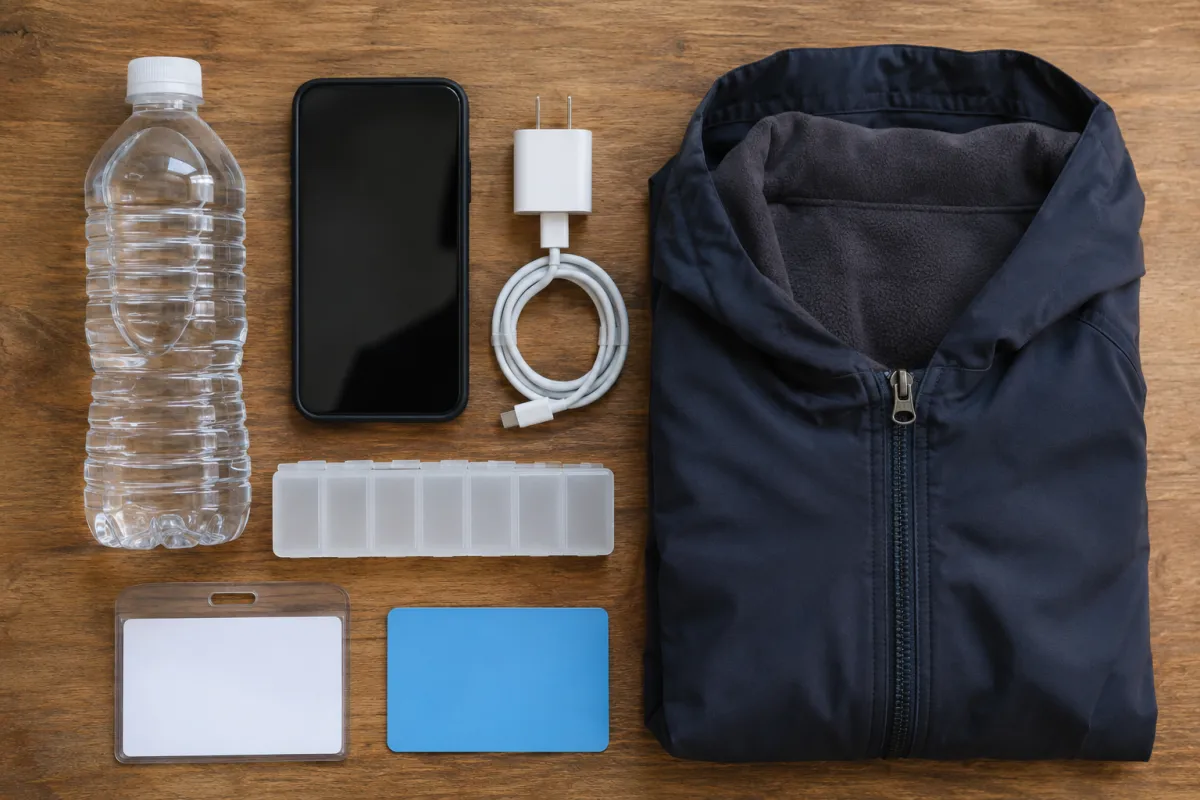
- ID: your Maltese ID or residence card, or your passport.
- Proof of healthcare entitlement: for example your European Health Insurance Card if you are an EU visitor, or your private insurance details.
- A list of medicines you take, with doses, and any allergies.
- Your phone and charger, and a contact number for someone who can help.
- Water, a snack (if you are allowed to eat) and something warm. Waiting areas can be cold with air conditioning.
If you take regular medicines, keep a photo of the boxes on your phone. It is faster than trying to remember names in another language.
Who pays for emergency care
Who pays depends on your status, not on your nationality alone.
| Your situation | Emergency care at Mater Dei |
|---|---|
| Resident entitled to public healthcare (for example, paying social security contributions) | Free at the point of use |
| EU, EEA or Swiss visitor with a valid EHIC | Medically necessary care on the same basis as an entitled local |
| Visitor or newcomer without entitlement | You will not be turned away in an emergency, but you are liable for the official fees for non-entitled patients |
| Holder of private health insurance | Depends on your policy; keep the insurer’s emergency number with you |
Based on official guidance on public healthcare entitlement; last checked November 2026.
The European Health Insurance Card covers medically necessary care during a temporary stay, not planned treatment. Fees for non-entitled patients are set in Maltese subsidiary legislation published on legislation.mt. If you are not yet entitled, for example during your first weeks or as a non-EU national before your contributions start, check your private insurance before you need it. Our wider guide to healthcare in Malta for expats explains how entitlement works.
Health centres and other options
For urgent problems that are not life-threatening, Malta’s public health centres are the main alternative to a Mater Dei emergency visit. The health centres in Floriana, Paola and Mosta operate around the clock, with routine and urgent care during the day and emergency or immediate care only overnight; other regional centres keep shorter hours.
| Problem | Best first stop |
|---|---|
| Chest pain, stroke signs, serious injury | Call 112 or go to Mater Dei emergency |
| High fever, infection, minor cuts, sprains | A 24-hour health centre or a private GP |
| Medicine question or minor ailment | A pharmacy |
| Dental pain | A private dentist; see our dentist in Malta guide |
| Emotional crisis | Emergency services if anyone is in danger, otherwise specialist support |
Last checked November 2026. Opening hours change; check before you go.
At weekends and on public holidays, pharmacies work on a duty rota. Our guide to pharmacies open on Sunday in Malta explains how to find the one that is open. For emotional support, see our guide to mental health support for expats in Malta.
Emergencies in Gozo
Gozo has its own Accident and Emergency Department at Gozo General Hospital in Victoria, open 24 hours a day. Serious cases that need specialist care may be transferred to Mater Dei, but you should always go to the Gozo hospital first in an emergency on Gozo, or call 112.
Prepare before you need it
Ten minutes of preparation in your first week makes an emergency much less frightening:
- Save 112 and your address, in Maltese and English, in your phone.
- Find your nearest health centre and check its hours.
- Keep your ID, EHIC or insurance card in your wallet, not in a drawer.
- Make a short list of your medicines and allergies.
- Tell one friend or neighbour where your spare key is.
That last point matters more than people expect. Newcomers often realise during their first illness that nobody nearby knows them. Having one or two people you can message, a neighbour, a colleague, a friend from a weekly activity, is a real safety net when you live far from family.
Want to turn this into an actual plan? Open MeetNow and see the plans in Malta. It is free and works in your browser: a host posts a plan at a public place, says who pays (host pays, split, pay your own or free) and picks who joins from the short notes people send. MeetNow is live on the web, starting in Malta.
Frequently asked questions (FAQ)
Is Mater Dei emergency open 24 hours?
Yes. The Emergency Department at Mater Dei Hospital in Msida operates 24 hours a day, 365 days a year. For a life-threatening emergency, call 112 for an ambulance.
How long is the wait at Mater Dei emergency?
It depends on how urgent your case is. Patients are triaged by a nurse and the most urgent are seen first, so people with minor problems can wait several hours, especially in the evening, at weekends and in summer.
Is emergency treatment free at Mater Dei?
It is free for residents entitled to public healthcare, and EU visitors with a valid EHIC receive medically necessary care on the same basis. People without entitlement are not turned away in an emergency but are liable for the official fees.
Where should I go for urgent but non-serious problems?
A 24-hour health centre, such as Floriana, Paola or Mosta, or a private GP. They handle fevers, infections, minor injuries and similar problems, usually with much shorter waits than the Emergency Department.
What is the emergency number in Malta?
112. It connects you to ambulance, police and fire services and is free to call from any phone, including mobiles without credit.