The Msida student area is the district around the University of Malta’s main campus at Tal-Qroqq, next to Mater Dei Hospital and one of the island’s busiest bus interchanges. Students live in Msida itself, in residences beside the campus and in flats in Gżira, San Ġwann, Swieqi, Pietà and Birkirkara. It is practical rather than pretty, and that is exactly why it works.
This guide explains how the Msida student area fits together, where to look for a room, what daily life is like and how to make it more than a place to sleep between lectures.
Why Msida is Malta’s student area
The University of Malta has its main campus at Tal-Qroqq in Msida, with most faculties, the main library and student services on one site. Mater Dei Hospital, Malta’s main general hospital, stands right beside it, so medical and health students spend much of their time in the same few streets.
Add one of the island’s main bus interchanges at the campus, a short walk to the Msida marina, and a location roughly in the middle of the busy harbour area, and you get a district where a large share of the people on the pavement are students or young workers.
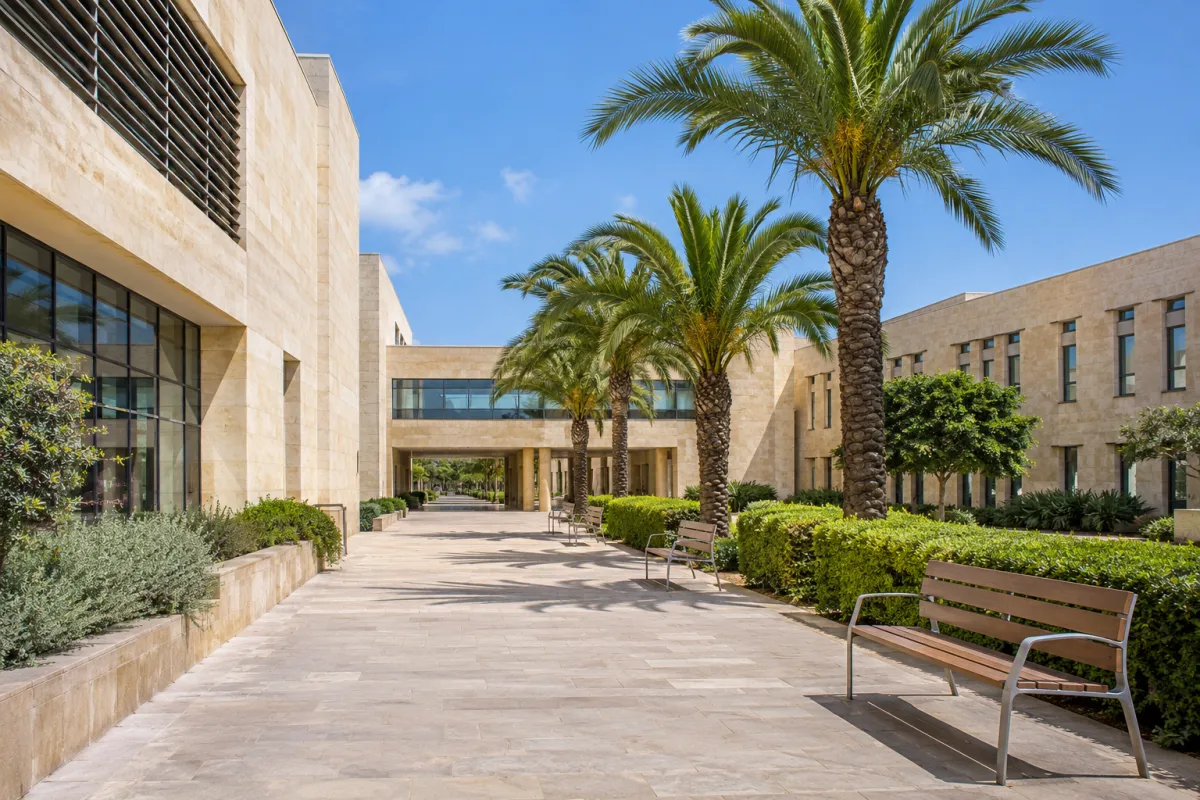
The Msida student area at a glance
| Part of the area | What it is like | Good for |
|---|---|---|
| Around the campus and Mater Dei | Residences, cafés, constant buses, busy roads | Shortest walk to lectures and placements |
| Msida centre and marina | Older streets, shops, the marina and parish church | A more local feel, walking to the waterfront |
| Gżira and Ta’ Xbiex edge | Seafront promenade, more bars and restaurants | Students who want the Sliema side of life nearby |
| San Ġwann and Swieqi | Residential, newer flats, hills | Quieter evenings, a short bus or walk to campus |
| Pietà and Birkirkara | Mixed residential, closer to Valletta or central Malta | Lower rents in some streets, good bus links |
Last checked November 2026.
Residences or shared flats
Students in the Msida area usually choose between two kinds of housing.
Student residences
Purpose-built residences such as Campus Hub sit right next to the main campus, and the University’s own residence in Lija is linked to campus by transport. Residences cost more per square metre, but they include bills, furniture and ready-made neighbours, which matters a lot in your first semester.
Shared flats
Most students who stay for a full degree end up in shared flats in Msida or the nearby towns. You get more space and freedom, and often a lower cost, but you deal with a lease, utility bills and flatmates you may not have chosen. Every private residential lease, including a room in a shared flat, must be registered with the Housing Authority, so ask the landlord about registration before you pay.
Our full comparison of student accommodation in Malta covers prices, homestays and the scams to avoid.
A viewing checklist for Msida flats
Student flats in the Msida area vary a lot in quality. When you view one, check these points before you agree to anything:
- Damp and ventilation. Look in wardrobes, bathroom corners and behind beds. Winter humidity is the most common complaint from students.
- Heating and cooling. Ask whether air conditioning units can heat as well as cool, and who pays for the electricity they use.
- Noise. Visit at rush hour if the flat faces a main road, and ask whether any building work is planned nearby.
- Flatmates and house rules. Meet the people you will live with, and ask about guests, cleaning and shared costs.
- Bills. Find out whether utilities are included or split, and how the meter readings are shared.
- Contract and inventory. Ask for the written lease, the signed inventory and confirmation that the lease will be registered.
- Deposit. Agree in writing when and how it will be returned at the end of your stay.
Ten minutes of checking can save a year of cold mornings and arguments over bills. If something feels rushed, such as a landlord asking for money before you have seen the room, walk away.
Nearby towns students choose
- Gżira: on the seafront facing Valletta and Manoel Island, a short walk or bus from campus. Our guide to living in Gżira has the details.
- San Ġwann: residential and close to campus, popular with students who want calmer evenings.
- Swieqi: between the university and St Julian’s, convenient for both lectures and nightlife.
- Pietà: quiet and close to Valletta and Floriana.
- Birkirkara: one of Malta’s largest towns, with good shops and buses.
When comparing flats, walk or ride the route to campus at 8:30 on a weekday. A flat that looks close on a map can be a slow bus ride at rush hour.
Getting around
The bus interchange at the University and Mater Dei is one of the busiest in Malta, with routes to Valletta, Sliema, the airport and towns across the island. That makes Msida one of the easiest places in Malta to live without a car. A personalised tallinja card is worth getting early; our guide to the tallinja card explains how to apply.
Walking is realistic between Msida, Gżira and parts of San Ġwann, though some streets are steep and pavements can be narrow. Many students also use bikes or e-scooters for short trips, so check the local rules before you buy one.
Everyday life
- Shopping: supermarkets, grocers, pharmacies and bakeries are spread through Msida and the surrounding towns.
- Post: MaltaPost runs a branch on the university campus with longer weekday hours during term than most branches.
- Studying: the main library on campus is the obvious base, and cafés around the area fill with laptops in exam season.
- Healthcare: with Mater Dei next door, the Mater Dei emergency department is close; for everyday problems, health centres and private GPs are faster.
- Fresh air: the Msida and Ta’ Xbiex marinas and the Gżira promenade are a short walk away for an evening stroll.
For the monthly numbers, see our student budget for Malta.
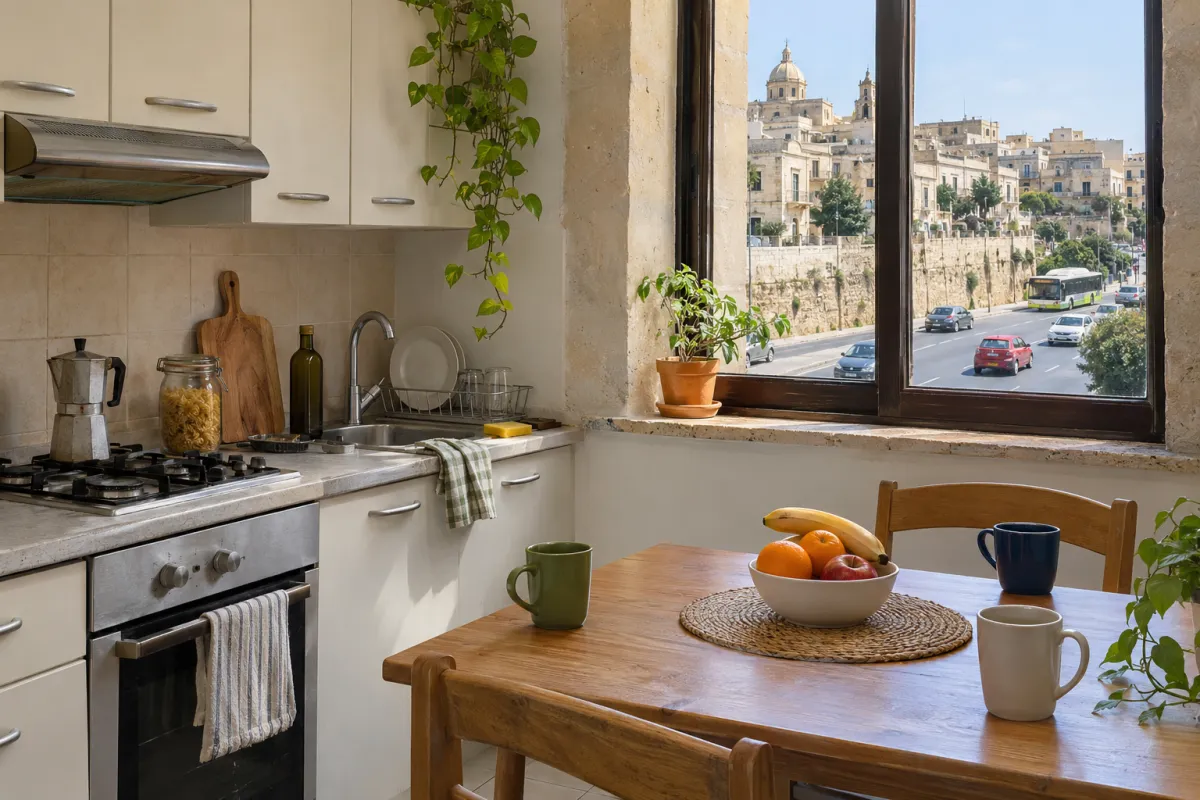
The downsides
The Msida student area is convenient, not idyllic. Be ready for:
- Traffic and noise. Busy main roads run through the area, and the hospital and bus hub bring constant movement.
- Flooding in heavy rain. Low-lying parts of Msida near the marina are known for flooding during intense storms. Ask about it when you view a ground-floor flat.
- Construction. As in much of Malta, building work can appear next door at short notice.
- Limited nightlife. Msida itself is quiet at night; most students head to St Julian’s or Valletta to go out.
A social life beyond campus
Living a short walk from lectures is efficient, but it can also shrink your world to campus, flat and supermarket. Students who enjoy Malta most usually join a society or sports team in the first weeks, explore beyond the harbour area at weekends and keep at least one activity outside the university. Our guide to student life in Malta lists societies, student groups and cheap weekend ideas. If you are returning to study later in life, see our guide to studying in Malta at 30.
If your course mates go home at weekends, as many Maltese students do, make your own plans: a swim at the end of term, a Gozo day trip, a study group that ends with dinner. Small, regular plans with the same few people are how a student area becomes home.
Want to turn this into an actual plan? Open MeetNow and see the plans in Malta. It is free and works in your browser: a host posts a plan at a public place, says who pays (host pays, split, pay your own or free) and picks who joins from the short notes people send. MeetNow is live on the web, starting in Malta.
Frequently asked questions (FAQ)
Is Msida a good area for students in Malta?
Yes, for convenience. The University of Malta’s main campus, Mater Dei Hospital and a major bus interchange are all there, so you can live without a car and walk to lectures. It is busy and practical rather than scenic.
Where do University of Malta students live?
In residences next to the campus, in shared flats in Msida and in nearby towns such as Gżira, San Ġwann, Swieqi, Pietà and Birkirkara. The University’s own residence is in Lija.
Is Msida safe for students?
Msida is generally considered a safe, busy residential area. Take normal city precautions at night, and watch traffic on the main roads, which can be the bigger everyday risk.
Is there nightlife in Msida?
Not much. Msida has cafés and some bars, but most students go to St Julian’s, Gżira or Valletta for nights out, all reachable by bus or a short taxi ride.
Do I need a car if I live in Msida?
No. The bus interchange at the University and Mater Dei connects to most of Malta, and Msida, Gżira and parts of San Ġwann are walkable.