Short answer: student life in Malta is easy to get into and easy to fill: small distances, the sea on your doorstep, free buses with a Student tallinja card, and thousands of other students arriving every year. MaltaToday reported that more than 5,500 new students started at the University of Malta in autumn 2026, and the university’s student council, KSU, ran its Freshers’ Week from 5 to 9 October 2026. English-language students have their own scene around their schools in St Julian’s and Sliema. The best student life here is built on a weekly routine: classes, one or two societies or groups, a weekend outing and a few cheap, regular plans with the same people. Below: a sample week, a social budget, societies and groups, and tips for meeting Maltese students too.
I meet a lot of students through friends who teach, and the pattern is always the same. The ones who have the best year are not the ones who go out most. They are the ones who joined something in week one and kept showing up.
What student life in Malta looks like
- University of Malta students study on the main campus in Msida, with student organisations, sports and events on and around campus. Many live in Msida, Gżira, San Ġwann or Swieqi.
- MCAST students are based around the main campus in Paola, with a more vocational, practical rhythm.
- English-language students are concentrated in St Julian’s, Sliema and Pembroke, with school social programmes and a fast turnover of classmates.
- Erasmus and exchange students often plug into ESN Malta, the Erasmus Student Network.
Most students do not need a car. The Student tallinja card (for people aged 17 to 59 on an approved full-time course of more than three months) gives free travel on day and night bus routes and the Valletta ferries. Our guide to studying in Malta covers courses, costs and admin.

A sample student week
| Day | Daytime | Evening or social |
|---|---|---|
| Monday | Classes | Board-game or quiz night with a student or newcomer group |
| Tuesday | Classes, library | Language exchange or conversation evening |
| Wednesday | Classes | Society meeting or sports training |
| Thursday | Classes | Coffee or dinner with two classmates, pay your own |
| Friday | Classes, afternoon swim | A cheap night out, or a film night at home |
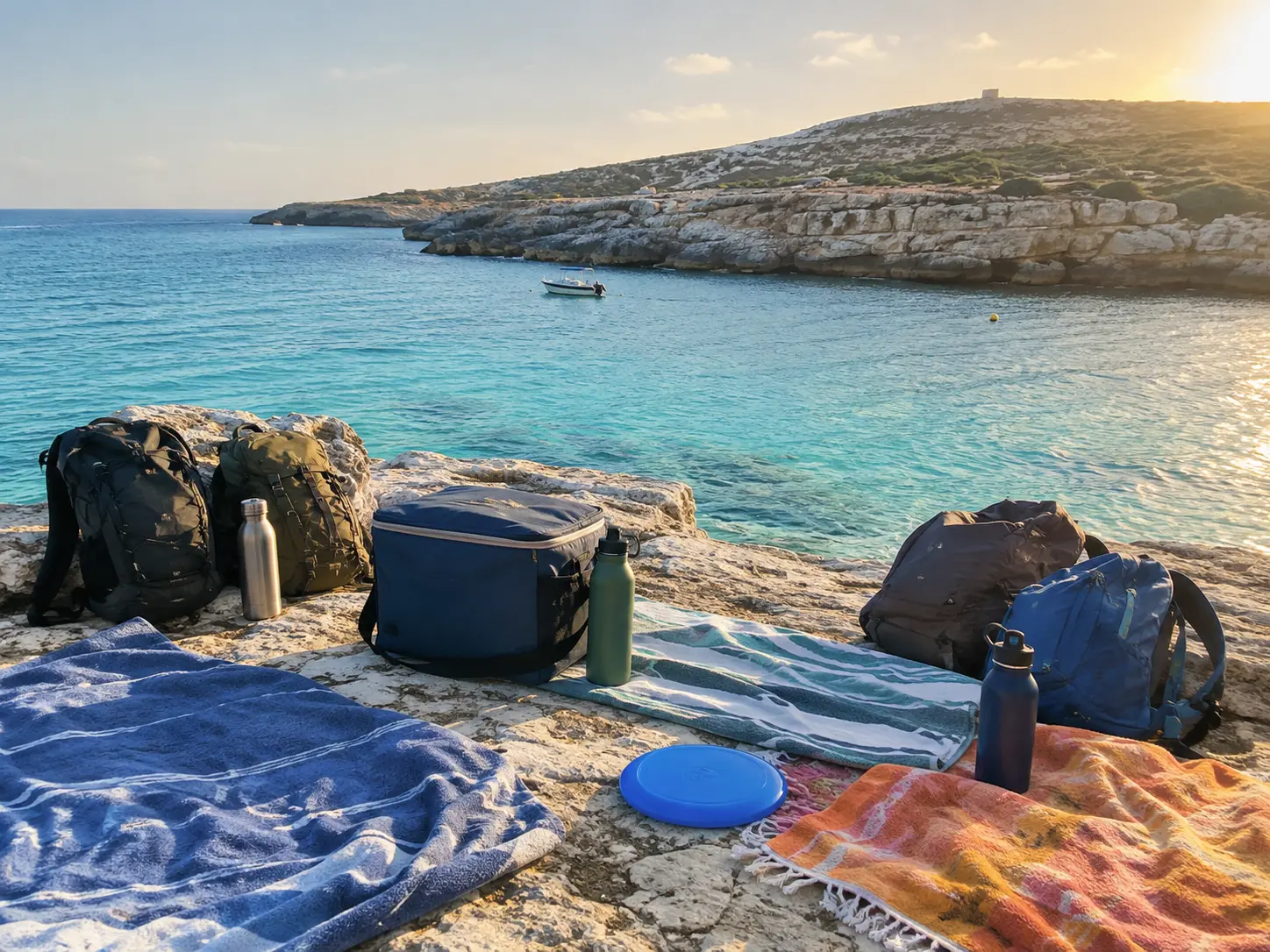
| Saturday | Group hike or day trip (Mdina, the Dingli Cliffs, Gozo) | Rest |
| Sunday | Beach morning or long lunch | Study and prepare for the week |
You do not need to fill every evening. Two fixed social commitments and one weekend plan are enough to build a circle within a month.
Student societies, groups and Freshers’ Week
KSU and University of Malta student organisations
KSU, the University of Malta’s student council, organises Freshers’ Week at the start of the academic year; the 2026 edition ran from 5 to 9 October. It is the easiest moment to sign up for student organisations, from academic and faculty societies to sports, culture and volunteering. If you missed it, most organisations still welcome new members during the year; ask on campus or check their pages.
ESN Malta
The Erasmus Student Network in Malta organises events and trips for exchange and international students. Even if you are not on Erasmus, international students often find ESN events a good first step.
Groups outside campus
Meetup groups such as International Meetups by English Café Malta run weekly hikes, games nights and conversation evenings (paid events, from €7 when I checked in October 2026). Our guide to the expat community in Malta lists the groups I checked.
School social programmes
English-language schools usually run activities and excursions. Ask your school what is included and what costs extra, and use them to get to know classmates outside lessons. Our guide to the best English schools in Malta lists every licensed school.
A student social budget (2026)
| Item | Cost | Source |
|---|---|---|
| Bus and Valletta ferry with a Student tallinja card | Free (registration normally €25; free offer for Student cards until 30 October 2026) | Malta Public Transport |
| Bus without a card | €2.00 to €2.50 per two-hour journey | Malta Public Transport |
| Gozo Channel ferry, foot passenger | €4.65 return (paid in Gozo) | Gozo Channel |
| Meetup games or talk evening | €7 | English Café Malta Meetup listing |
| Group hike | from €12.50 booked online | English Café Malta Meetup listing |
| Self-organised beach day or coastal walk | Free |
Last checked October 2026. For your full monthly budget, the University of Malta estimates about €450 for food and €550 to €700 for shared accommodation; see our student accommodation guide.
Student discounts in Malta
Always carry your student ID and ask. Museums, cultural sites, cinemas, gyms and some shops and restaurants offer student prices, though schemes and amounts change and vary by venue. The biggest saving by far is transport: the Student tallinja card makes buses and the Valletta ferries free. Check each venue’s website or ask at the door before you pay full price.

Student life by type of student
Degree students at the University of Malta
You are here for years, so invest in local roots: a faculty society, a sport, a regular study group. Many Maltese students live at home, so campus life is busiest during the day; evening plans are more likely to happen near Msida, Gżira and St Julian’s.
MCAST students
Courses are practical and timetables can be full. Classmates often become your main circle, so say yes to group lunches and weekend plans, and use the free buses to get around.
English-language students
Your class may change every Monday as people arrive and leave. Make friends fast and keep in touch online after they go. Choosing a course in spring or autumn often means more adult classmates and calmer schools.
Erasmus and exchange students
One semester flies by. ESN events give you an instant group; pair them with one local activity so you also see the Maltese side of the island. A dedicated Erasmus guide is coming soon.
Getting around as a student
The Student tallinja card is the single best money-saver: free day and night buses and the Valletta ferries. Learn the two or three routes between your home, campus or school and the coast; our studying in Malta guide, linked above, covers the details. For late nights, the N routes run into the early hours, and ride-hailing apps are a backup when sharing with friends.
Cheap weekend ideas for students
- Mdina and Rabat: the old walled city and the town next to it, a free bus ride away with the card.
- The Dingli Cliffs: a long, easy walk along the cliff tops, best in the cooler months.
- The Three Cities: take the free Valletta ferry across the Grand Harbour and wander Birgu.
- Golden Bay or Għajn Tuffieħa: sandy beaches on the west coast, beautiful at sunset.
- Gozo: €4.65 for the Gozo Channel crossing on foot, and free buses on the island with your card.
- Marsaxlokk: the fishing village with its colourful boats and Sunday market.
Balancing study and social life
Malta makes it very easy to say yes to everything, which is great in week one and less great in exam season. A few rules that help:
- Keep two fixed social commitments a week and protect your study blocks around them.
- Move social plans to daytime during exams: a swim or a walk instead of a late night.
- Study with friends in the library or a café; it counts as both.
- Sleep. Summer heat and late nights add up quickly.
Part-time jobs
Many students work part-time in cafés, restaurants, shops or tutoring; our guide to part-time jobs for students in Malta covers where to look. EU students can generally work as other EU citizens do. Non-EU students face limits: the University of Malta’s International Office says students need an e-residence permit and must not exceed 20 working hours a week, and a Jobsplus licence is required. Check the official rules before you accept a job, and make sure work does not swallow your study time.
Wellbeing
Homesickness and loneliness are common in the first months, even in a sociable place. Ask your university or school what student support it offers, keep in touch with home, and keep one weekly social commitment even when you do not feel like it. If things feel heavy, the national mental health helpline 1579 offers free emotional support 24 hours a day.
Your first week as a student: checklist
- ☐ Apply for your Student tallinja card (free registration offer until 30 October 2026)
- ☐ Sign up for one student organisation, sports club or group
- ☐ Swap numbers with at least three classmates or flatmates
- ☐ Find your nearest supermarket, pharmacy and bus stop
- ☐ Plan one weekend trip with people you have just met
- ☐ Save 112 and 1579 in your phone
Meeting Maltese students, not just other internationals
It is very easy to spend a year in Malta only meeting other foreigners. That is fine, but Maltese friends will show you a side of the island you will not find otherwise. A few approaches that work:
- Join a student organisation linked to your faculty or a sport, rather than only international groups.
- Study together. Group projects and library sessions are natural ways to get to know local classmates.
- Learn a few Maltese phrases and ask classmates to teach you more.
- Go to a festa or a village event with a Maltese friend.
- Say yes to the family lunch invitation if it comes.
Nightlife, briefly
Paceville in St Julian’s is the island’s best-known nightlife district, and many student nights out end up there. Our sister site maltasocial.com covers going out in detail. From here, three practical tips: check the night bus routes before you go (the N routes are free with a personalised tallinja card), set a budget, and do not let late nights eat your whole week.
Safety when meeting new people
- Meet new people in public places first: campus, a café, a busy promenade.
- Tell a flatmate or friend where you are going and who with.
- Plan your way home: night bus, a shared ride-hailing trip or walking with friends.
- Watch your drink and leave whenever you feel uncomfortable.
Making the most of a short stay
If you are only here for a few weeks on an English course, your social life has to start fast. On day one, swap numbers with two classmates. By the end of week one, suggest a simple plan: a swim after class, a trip to Mdina, a Sunday hike. Small, specific plans with a place, a time and who pays (pay your own is easiest) turn classmates into friends quickly. Our 30-day plan for making friends in Malta has more ideas.

Frequently asked questions
What is student life like in Malta?
Busy and sociable. Distances are short, the sea is close, and there are thousands of international and Maltese students, with student organisations, school social programmes and Meetup groups to join. Buses are free with a Student tallinja card.
When is Freshers’ Week at the University of Malta?
KSU’s Freshers’ Week 2026 ran from 5 to 9 October 2026, at the start of the academic year. It is the best time to sign up for student organisations, though many welcome new members later in the year too.
How much do students spend on social life in Malta?
It depends on habits. Many of the best plans are free (beaches, walks, buses with a Student card), while organised Meetup evenings start around €7 and a Gozo Channel foot-passenger return costs €4.65 (checked October 2026). Eating and drinking out regularly is what makes budgets grow.
Are there student discounts in Malta?
Yes, at many museums, cultural sites, cinemas and gyms, but schemes vary. Carry your student ID and ask. The biggest saving is free bus and ferry travel with a Student tallinja card.
How do international students make friends in Malta?
By joining something early and going every week: a student organisation, ESN events, a sports club or a Meetup group. Then suggest small plans with classmates, such as a swim after class or a weekend trip.
Is Malta safe for students?
Use the same common sense as anywhere: meet new people in public places, tell a friend where you are going, plan your way home and look after your drink on nights out. Save 112 for emergencies.
Want to turn this into an actual plan? MeetNow is a free app for meeting people in person: a host posts a plan at a public place, says who pays (host pays, split, pay your own or free) and picks who joins. It works in your browser and on Android through Google Play, starting in Malta; the iPhone app is not in the App Store yet. Open MeetNow and see the plans in Valletta, Sliema and St Julian’s.
We may mention products we are connected with; see our affiliate and product disclosure.