Most people who feel lonely in Malta notice it around week three, not on day one. The first fortnight is full of residence appointments, flat viewings and working out which bus actually stops where. Once the admin calms down and a weekend arrives with nothing in the diary, the island suddenly feels both very small and very crowded.
I have watched this happen to flatmates, colleagues and English-school students for years, and it happened to me. It is fixable, and usually faster than people expect, if you treat building a social life like any other part of moving: with a plan, a calendar and a lot of repetition.
This is the honest version. It covers why loneliness hits newcomers in Malta, how Maltese friendships tend to work, where language exchanges and hobbies fit in, three weekly plan examples you can copy, and a first-30-days checklist you can tick off.
Why newcomers feel lonely in Malta
Being lonely in Malta has a few causes that are specific to the island. Knowing them helps, because it stops you deciding that the problem is you.
Everyone is close, but circles are closed
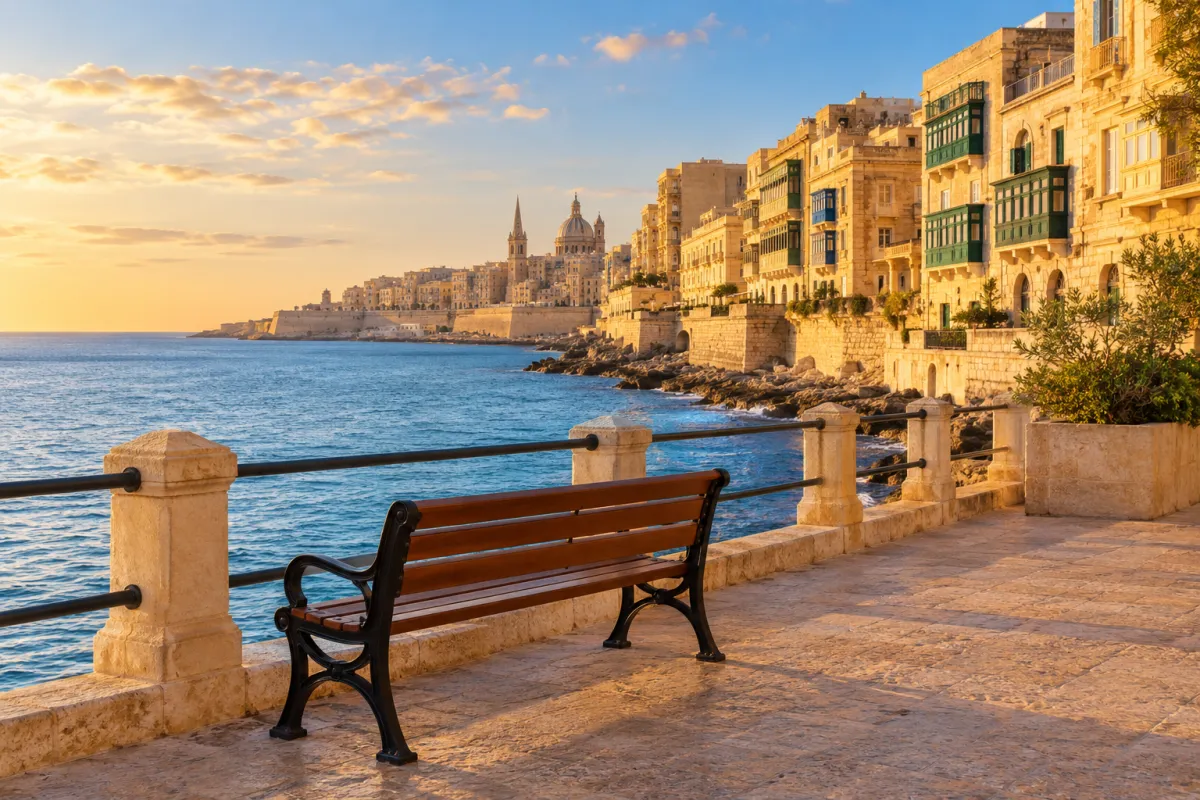
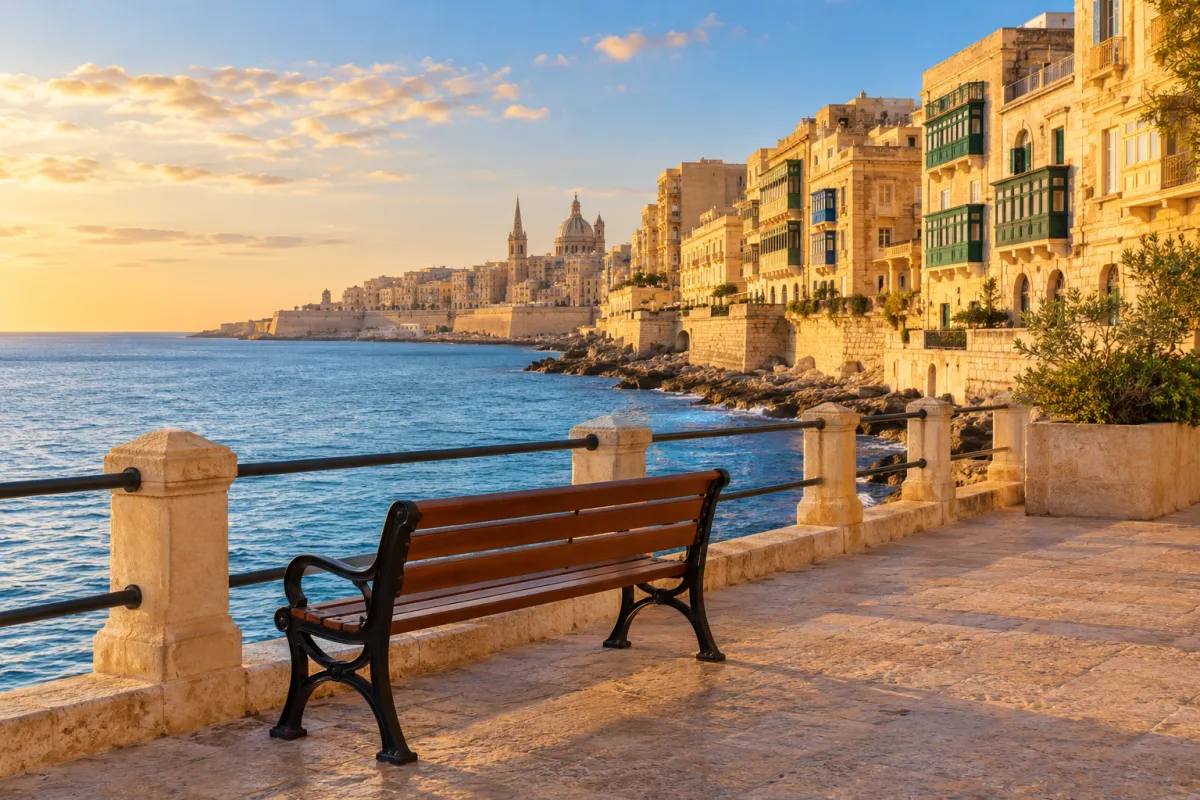
Malta is small and densely built. You are surrounded by people on the bus, in the supermarket and along the Sliema promenade, so the loneliness can feel strange: you are never alone, yet nobody knows your name. Maltese social life runs through family, parish, village and school friendships that often go back decades. That is not hostility. It just means there is no obvious gap for a new person to step into.
The expat crowd keeps changing
Many foreigners come for a contract, a language course or a year of remote work. You make a good friend in month two, and by month eight they have moved to Lisbon. This churn is one of the most common reasons people feel lonely in Malta even after they have technically made friends. The answer is to build a wider net rather than relying on one or two people.
Work, heat and buses eat your energy
Long commutes on busy routes, summer heat and shift work in gaming, hospitality or customer support leave little energy for socialising. If your weekday ends with a crowded bus ride back to a shared flat, a quiet evening scrolling your phone feels easier than going out. That is normal, but it is also how weeks disappear. If you are still in the first weeks, our guide to moving to Malta alone and surviving the first month covers the practical side that frees up energy for people.
Culture shock arrives late
The small differences pile up: noise, driving, bureaucracy, how plans get made and cancelled. Each one is minor, but together they can make you feel like an outsider. Our list of things newcomers notice about Maltese culture is worth a read if you recognise that feeling.
A practical idea that helps: plans beat profiles. One small, specific plan (a coffee in Valletta at a set time with three people) does more for loneliness than fifty chats. MeetNow, a free app launching in Malta, is built around exactly that idea. More on it near the end.
Honest expectations for the first three months
People often expect friendships to form in weeks. In practice, the pattern I see again and again looks like this:
- Weeks 1 to 4: lots of new faces, few real connections. You meet people at work, school or events, but conversations stay at the level of where you are from and where you live.
- Weeks 5 to 8: the dip. Novelty wears off, the first acquaintances drift and you may feel more lonely in Malta than in week one. This is the point where many people stop trying. Do not.
- Weeks 9 to 12: repetition starts to pay off. You see the same faces at your weekly hike, class or language evening, and someone suggests doing something outside the group. That is the moment a friendship actually starts.
The key word is recurring. Friendships form from repeated, low-pressure contact with the same people. A one-off big event is fun, but a small weekly thing you never miss is what changes your social life.
Maltese culture for expats: how friendships work
Understanding a bit of Maltese culture for expats makes a real difference, because the rules for making friends here are not the same as in a big northern European city.
Family first, and Sunday is family day
For many Maltese people, Sunday lunch with family is close to non-negotiable, and weekends fill up with relatives, christenings, weddings and village events. If a Maltese colleague says no to Sunday plans, it is rarely personal. Suggest a weekday coffee or an evening walk instead.
Friendliness is not the same as friendship
Maltese people are generally warm, chatty and helpful in everyday life. The shopkeeper who remembers your order is being genuinely friendly. Moving from that to an invitation home takes longer, because close circles are tight. Patience and showing up repeatedly matter more than charm.
Village life and the festa
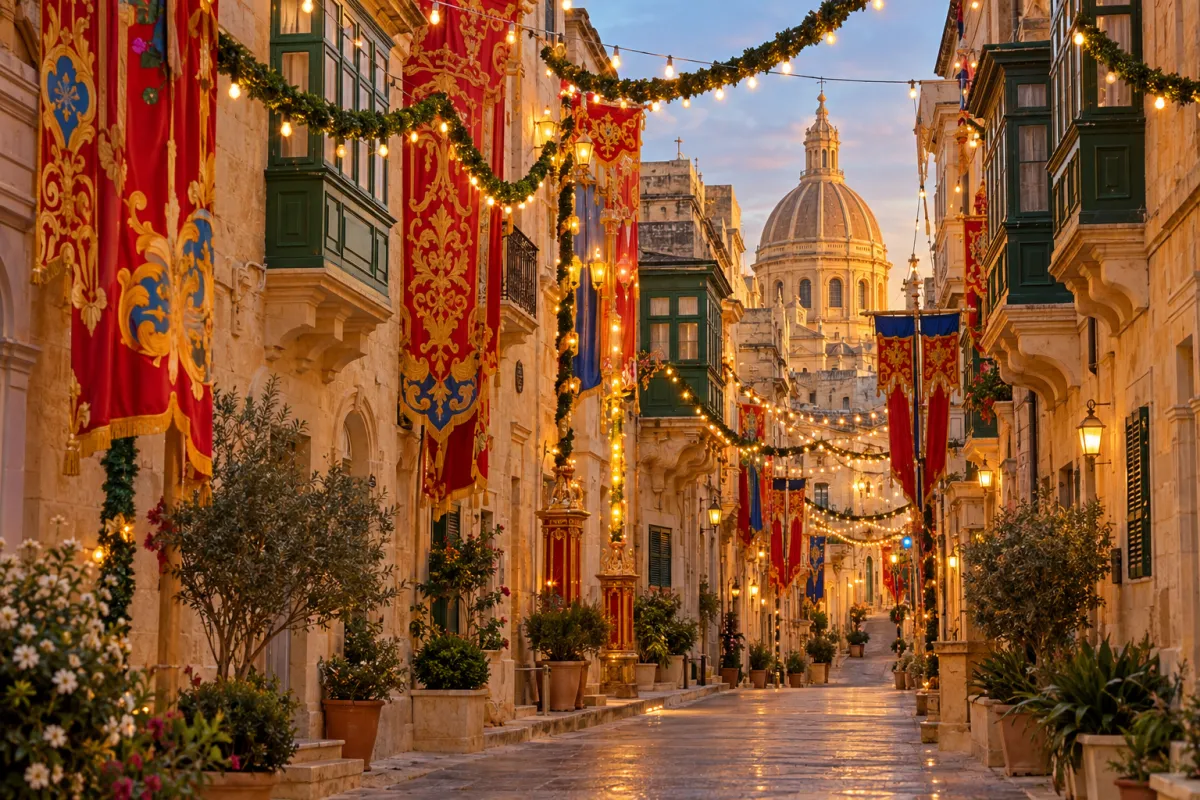
Each town and village has strong local identity, and in summer many hold a parish festa with fireworks, band marches and decorated streets. Going to your own locality’s festa, and asking neighbours about it beforehand, is one of the easiest ways to show interest in where you live. People notice when a foreigner cares about their village.
Directness and banter
Conversation can be loud, fast and teasing. Being teased usually means you are being included. If you want a deeper guide, read how to meet Maltese people beyond the expat bubble, which goes through twelve practical routes in.
Language exchange in Malta and a few useful phrases
English is an official language, so you can live here without a word of Maltese. That is exactly why a few phrases go such a long way: almost nobody expects them, and they open doors.
Phrases worth learning first
| Maltese | Meaning | When to use it |
|---|---|---|
| Bonġu | Good morning | Shops, neighbours, the bus driver |
| Grazzi | Thank you | Everywhere |
| Jekk jogħġbok | Please | Ordering, asking for help |
| Kif inti? | How are you? | Colleagues, neighbours |
| Iva / Le | Yes / No | Quick replies |
| Saħħa | Bye, take care (literally health) | Leaving a shop or a chat |
For courses, apps and pronunciation tips, see our guide to learning Maltese with courses, apps and phrases that help.
How language exchange in Malta works
Language exchange in Malta is mostly informal: groups meet in cafés or bars, usually organised on Meetup or Facebook, and pair people who want to practise Italian, Spanish, German, Maltese or English. Groups appear, pause and restart as organisers come and go, so search for current ones rather than relying on an old link, and check that the last event actually happened recently.
Why they work so well when you are lonely: the format gives you a reason to talk, the same regulars return each week, and you meet a mix of expats, students and some Maltese people. If you can teach English or your native language, you are useful to someone from the first evening.
You can also set up a one-to-one exchange yourself. Ask a Maltese colleague if they would swap a weekly coffee: half an hour of your language, half an hour of Maltese. Many people say yes because it is a clear, time-limited plan.
Hobbies and activities in Malta for newcomers
The best hobbies and activities in Malta for newcomers share three things: they repeat weekly, they involve doing something side by side (so conversation is easy), and they attract people who live here rather than tourists.
Outdoors
- Hiking and coastal walks: walking groups regularly cover routes such as the Dingli Cliffs, the north-west coast and Gozo. Winter and spring are the best seasons; summer walks start early in the morning.
- Running clubs: promenade runs in Sliema and the Gżira area are common, and running groups are usually welcoming to all paces.
- Diving and snorkelling: Malta is well known for diving, and dive clubs and schools have a strong social side, with regular trips and post-dive meals.
- Swimming and water sports: sea swimming groups, kayaking and stand-up paddle meet-ups run in the warmer months.
Indoors and creative
- Board game and quiz evenings in cafés and pubs, where teams welcome a spare player.
- Choirs, drama groups and dance classes, from salsa to contemporary, which run in terms and keep the same group together.
- Climbing, martial arts and gym classes, where seeing the same faces at the same time each week builds familiarity.
- Book clubs and craft groups, often small and easy for introverts.
Giving back
Volunteering is one of the most underrated ways to stop feeling lonely in Malta. Animal sanctuaries, environmental clean-ups and charity shops always need help, and you work alongside Maltese volunteers rather than only other foreigners.
For a broader overview of clubs, forums and networks that exist, see our guide to the expat community in Malta: groups, forums and clubs. Specific venues and event calendars change often; check the group’s own page before you go.
Weekly plan examples you can copy
A plan written down is far more likely to happen. Here are three templates based on how real newcomers I know have built their weeks. Adjust the days, but keep the structure: one fixed recurring activity, one flexible small plan, one thing on your own that still puts you around people.
Plan A: remote worker
| Day | Plan | Why it helps |
|---|---|---|
| Monday | Work from a coworking space or busy café for the afternoon | Breaks the isolation of working alone at home |
| Wednesday | Weekly language exchange or quiz evening | Same regulars every week |
| Friday | Invite one person from the week for a coffee or lunch | Turns acquaintances into friends |
| Saturday | Group hike or sea swim in the morning | Easy conversation while moving |
| Sunday | Solo walk along a promenade, market or festa visit | Rest without full isolation |
Plan B: English-school or university student
| Day | Plan | Why it helps |
|---|---|---|
| Tuesday | School social activity or university society meeting | Built-in group with shared timetable |
| Thursday | Sports session, dance class or gym class | Meets people outside your class |
| Friday | Shared dinner at your residence or flat, everyone brings one dish | Cheap and you host, so people remember you |
| Saturday | Day trip to Gozo or Mdina with two or three classmates | A shared day builds closeness fast |
| Sunday | Call home, then a beach or café with a book | Keeps old ties while staying present |
Plan C: full-time office or shift worker
| Day | Plan | Why it helps |
|---|---|---|
| One weekday | Lunch with a colleague outside your team | Widens your circle at work |
| One evening | A recurring class: choir, climbing, Maltese lessons | Fixed slot you protect |
| Day off | Volunteering shift or club activity | Meets Maltese people with shared purpose |
| Second day off | One small plan with a set place, time and who pays | Concrete plans actually happen |
On that last point: the most effective plans say exactly where, when and who pays. Saying we should get coffee sometime rarely leads anywhere. Suggesting Saturday at 10 at a named café in Valletta, everyone pays their own, gets a yes or a no, and both are useful.
First 30 days social checklist if you feel lonely in Malta
Tick these off over your first month. You do not need all of them; aim for most. For a full day-by-day version, see our 30-day plan for making friends in Malta.
Week 1
- Learn and use Bonġu and Grazzi with neighbours and local shopkeepers.
- Join two or three active local groups on Meetup or Facebook that match your interests, and check their recent activity.
- Find your nearest promenade, garden or square and walk there at the same time on two days.
- Tell one colleague, classmate or flatmate that you are new and keen to explore.
Week 2
- Go to one recurring event: language exchange, hike, quiz or class.
- Introduce yourself to the organiser; they know everyone.
- Say yes to the first invitation you get, even if it is small.
- Get a personalised public transport card so trips across the island feel easier.
Week 3
- Return to the same recurring event. The second visit matters more than the first.
- Suggest one specific plan to someone you met: a place, a time, who pays.
- Sign up for one volunteering shift or a club trial session.
- Ask a Maltese neighbour or colleague about the local festa or a favourite place to eat.
Week 4
- Host something small: a shared dinner, a beach morning or a walk.
- Commit to one class or group for the next term.
- Check in with yourself honestly: are you sleeping, eating and getting outside? If not, see the next section.
- Keep one call a week with people at home, but not so many that they replace local plans.
Introverts, bad weeks and when to get help
If big groups drain you, you are not doomed to stay lonely in Malta. Choose smaller formats: a book club of six, a one-to-one language swap, a dive buddy, a volunteering shift with a clear task. Structure is an introvert’s friend because nobody has to invent conversation. Arriving early, before a group gets loud, also helps.
Some weeks will be bad. Rain in winter, a cancelled plan or homesickness after a family event can knock you back. That is part of moving, not a sign of failure. Go back to your recurring activity the following week as if nothing happened.
Loneliness that does not lift, or that comes with low mood, poor sleep or losing interest in everything, deserves proper support. Speak to a GP, who can refer you on, or to your employer’s or university’s support service if you have one. If you ever feel unsafe or in crisis, call 112, the emergency number in Malta.
Meeting new people safely
Malta is generally a comfortable place to meet new people, but the same common-sense rules apply as anywhere:
- Meet in a public place, such as a café, a busy square or a group event, for the first few times.
- Tell a friend or flatmate where you are going and who you are meeting.
- Plan your own way home: check the last bus on your route or have a ride-hailing app set up.
- Leave if anything feels uncomfortable. You owe nobody an explanation.
- Keep personal details, such as your address, to yourself until you know someone.
Want to turn this into an actual plan? MeetNow is a free app for meeting people in person: a host posts a plan at a public place, says who pays (host pays, split, pay your own or free) and picks who joins. It is live on the web and works in your browser, starting in Malta. The Android app is on Google Play; the iPhone app is not in the App Store yet. Open MeetNow and see the plans posted in Malta.
FAQ
Is it normal to feel lonely in Malta after moving?
Yes. Many newcomers feel lonely in Malta during the first few months, often most strongly in weeks five to eight once the novelty wears off. It usually reflects how established local circles are and how often expats move on, not anything wrong with you.
How long does it take to make friends in Malta?
Expect acquaintances in the first month and closer friendships after roughly two to three months of repeated contact. Joining recurring activities and suggesting specific small plans speeds this up considerably.
Are there language exchange groups in Malta?
Yes, language exchange in Malta usually happens through informal groups organised on Meetup and Facebook, meeting in cafés or bars. They change often, so search for currently active ones and check recent events, or set up a one-to-one swap with a colleague.
Is it hard to become friends with Maltese people?
It takes patience rather than effort. Maltese people are warm in everyday life, but close circles revolve around family and old friends. Shared activities, volunteering, a few Maltese phrases and weekday plans instead of Sundays all help.
What hobbies are good for meeting people in Malta?
Weekly, side-by-side activities work best: hiking and running groups, diving clubs, dance or choir classes, board game and quiz evenings, and volunteering. Pick two or three and go back every week.
What should I do if loneliness is affecting my mental health?
Talk to a GP, who can refer you to further support, or use your employer’s or university’s support service if available. If you feel unsafe or in crisis, call 112, the emergency number in Malta.