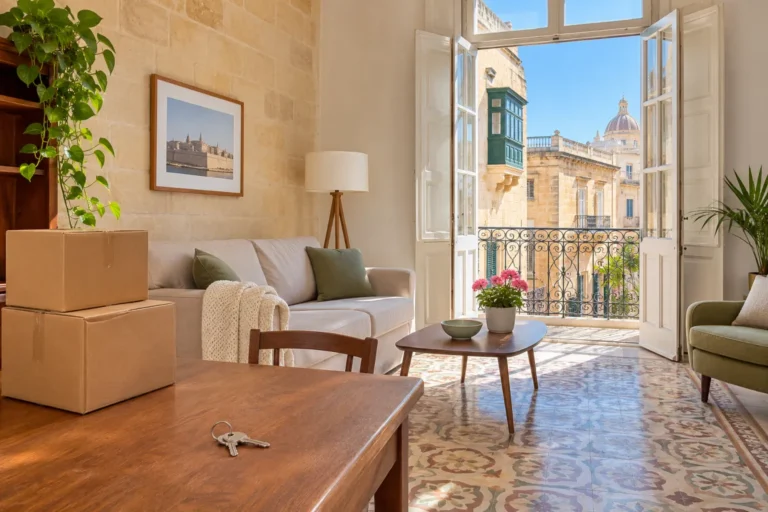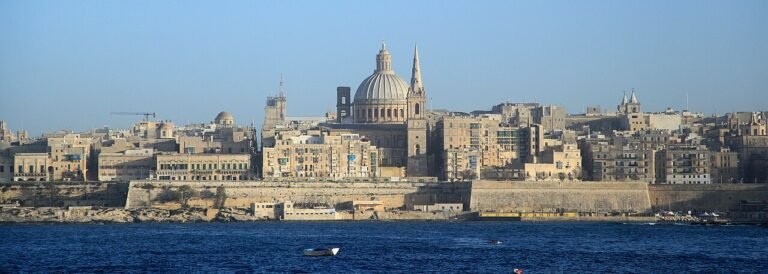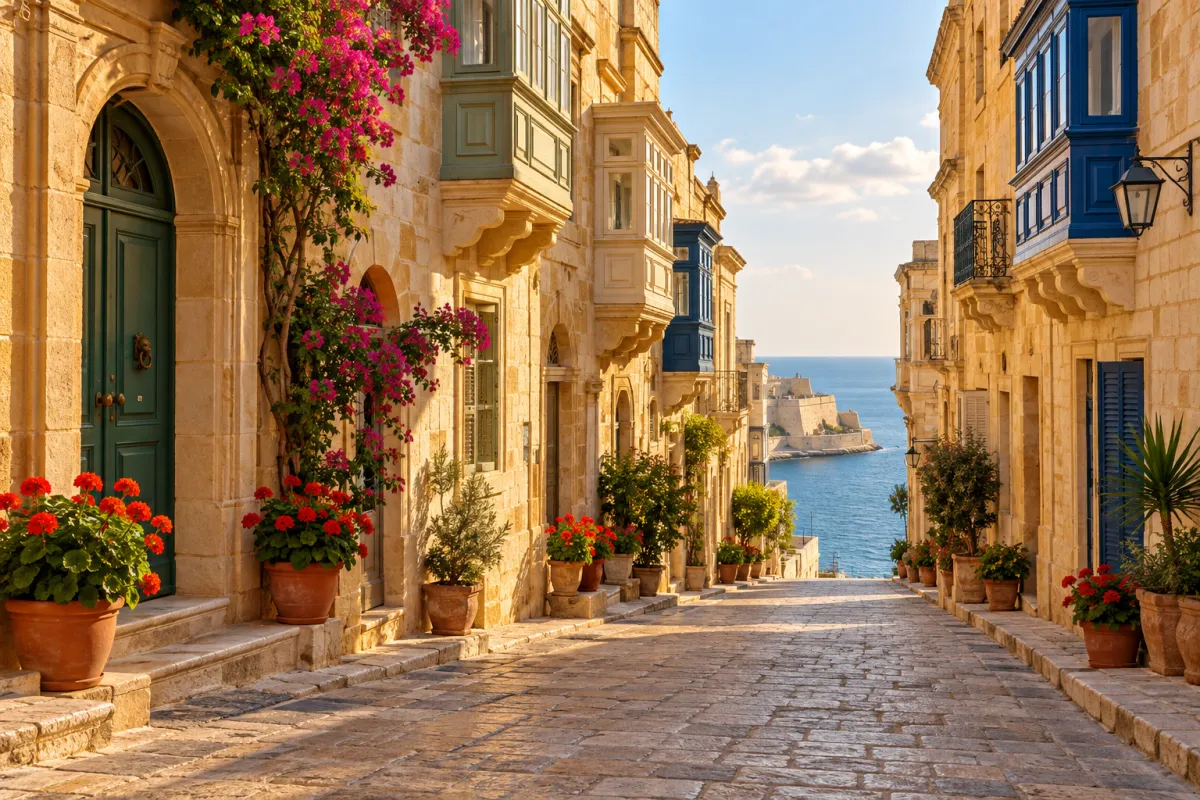
Most newcomers I know can name the moment Malta stopped feeling like a long holiday. It might be the first time a bus driver nodded at them, or the first Sunday they had somewhere to be that wasn’t a beach. If you are wondering how long does it take to settle in Malta, the honest answer is that settling runs on three separate clocks. The paperwork has one, the flat and the routines have another, and friendships have a much slower one.
The admin side is mostly measured in weeks and is largely out of your hands. The practical side usually comes together within a few months: a flat you can live with, a bus route you trust, a grocer who knows your order. The social side decides whether you actually stay, and it tends to take most of a year. It moves noticeably faster when you put structure into your weeks instead of waiting for invitations.
This guide breaks the process into a realistic timeline. It includes weekly plan examples you can copy and a first 30 days social checklist, and it is written for people who are new in Malta, especially those who arrived alone.
How long does it take to settle in Malta? The three clocks
When people ask me this, they usually mean one of three different things. Separating them helps, because each one can be finished while the others are still running. That mismatch is behind a lot of newcomer frustration.
| Clock | What it covers | How it usually feels |
|---|---|---|
| Admin | Residence registration or permit, ID card, bank account, tax number, employment paperwork | Weeks to a few months; lots of waiting, little you can speed up |
| Practical | A flat, your bus routes, a GP, a supermarket, knowing which town is which | Settles within the first few months, faster if you live near your work or school |
| Social | Acquaintances, then friends, then people you would call at 3am | The slowest clock; usually most of the first year, and it needs deliberate effort |
The trap is assuming that once your ID card arrives, you are settled. Plenty of people have their paperwork done, a decent flat in Gżira or Msida and a commute they have figured out, yet still spend every weekend alone. If that sounds familiar, the social clock is the one to work on. Our 30-day plan for making friends in Malta goes deeper on exactly that.

The admin clock: what the official timelines say
Admin is the one clock with published deadlines, so it is worth knowing the numbers and then not obsessing over them. Rules change, so check the official page before you book flights or sign a lease around a date.
EU, EEA and Swiss citizens
If you are an EU, EEA or Swiss citizen planning to stay longer than three months, you must register your residence with Identità within 90 days of arriving (MoveToEU). In practice, the appointment, the documents and the wait for your card fill a good part of your first month or two. Book the appointment early. Then get on with your life rather than treating the card as a starting gun.
Third-country remote workers
If you are coming on the Nomad Residence Permit, the Residency Malta Agency asks for proof of a minimum gross yearly income of €42,000 (Residency Malta Agency). Processing of the initial application typically takes around 30 working days, roughly six weeks, from when the fee is processed and background checks begin (Residency Malta Agency). After you receive a Letter of Approval in Principle, you have 30 days to provide evidence of local accommodation and compliant health insurance (Residency Malta Agency). Once you complete the biometrics appointment in Malta, the residence card is typically issued within three to four weeks (Residency Malta Agency).
Put together, that is a stretch of weeks when you are living in Malta but still feel provisional. Our digital nomad guide to Malta covers coworking and costs for that period. My one piece of advice: do not let the waiting freeze your social life. The people who say they will start joining things once the card arrives often lose two months they could have spent building routines.
A small plan beats a big event. Newcomers often go to one large mixer, swap a few numbers and never see anyone again. What works better is a small, specific plan: two to six people, a named café or walk, a time, and clarity on who pays. MeetNow, a free app launching in Malta, is built around that idea. A host posts a plan at a public place with the time, seats and who pays, and people ask to join with a short note.
The emotional curve, stage by stage
Nobody settles in a straight line. The pattern below is drawn from years of watching friends, flatmates and colleagues arrive. It is not a study, but if you recognise yourself in it, you are completely normal.
The first weeks: novelty and logistics fog
Everything is new and mostly exciting. You are flat-hunting, learning that the bus timetable is more of a suggestion, and swimming in October. You meet lots of people, but almost all of them are also new, and many are only passing through. Enjoy it, and start your routines now while your energy is high.
Around months two and three: the dip
This is when most people wobble. The novelty fades, the noise and construction get on your nerves, and admin feels endless. The friends from week one may have left, especially if you met them through a short English course. Small cultural differences, from driving habits to how directly people speak, start to grate. Our piece on Malta culture shock lists the ones that catch most people out. Feeling flat here does not mean Malta was a mistake. It means the honeymoon is over and real life is starting.
Months four to six: routines and repeat faces
If you joined something recurring early on, this is where it pays off. You see the same faces at the same running session or language exchange, and someone suggests coffee afterwards. Your neighbour starts saying good morning. You know which pastizzeria is worth the walk. Malta is small, so repeat encounters happen faster here than in a big city, which is one of its genuine advantages.
Months six to twelve: acquaintances become friends
Friendships deepen when you share something beyond small talk: helping someone move flat, a long day trip to Gozo, a run of Sunday lunches. By the end of the first year, most people who made a steady effort have a handful of people they trust. One more honest point: expat circles in Malta have high turnover, so expect to rebuild part of your circle when people leave. Friendships with Maltese people often take longer to start but last longer. Learning a few phrases helps more than you would think, and our guide to learning Maltese has the useful ones.
Weekly plan examples you can copy
The common thread in people who settle well is not personality. It is structure: two or three fixed social anchors a week that happen whether or not you feel like it. Here are three templates. Swap the activities for your own interests and keep the rhythm.
Remote worker living alone
- Monday: work from a coworking space or café rather than your flat, and say hello to the same people each week.
- Tuesday: beginner running group in the early morning along the seafront.
- Wednesday: language exchange or Maltese evening class.
- Thursday: quiet night in; this is allowed and necessary.
- Friday: small dinner plan with two or three people you have met that week.
- Saturday: club activity such as a dive, a hike or volunteering.
- Sunday: long walk or swim, plus a call home.
English-school or university student
- Weekdays: stay for the school or university social activities at least twice a week, even if they feel touristy.
- One fixed weekday: join a sports team, society or volunteering group that includes people who are not on your course, so your circle does not vanish when classmates go home.
- Weekend: one bigger outing, such as a Gozo day trip, and one small plan, such as coffee with one person you want to know better.
Office job with long hours
- Lunchtime: eat with colleagues at least twice a week; workplace friendships carry a lot of people through year one.
- One weekday evening: a single fixed activity, such as a running club or a class, chosen because it is near your home or office.
- Saturday morning: a club activity or group walk.
- Sunday: rest, laundry, and maybe one relaxed lunch plan.
If you are moving solo and want a fuller survival plan for the first month, read our guide to moving to Malta alone.
Your first 30 days social checklist
Print it, screenshot it or copy it into your notes. The goal is not to tick everything, but to have something social on the calendar every week.
- Week 1: learn your nearest bus routes; find one café you will return to; say hello to a neighbour; join two or three local community groups online and read them before posting.
- Week 2: attend one recurring activity for the first time, such as a running group, class or volunteering session; learn five Maltese greetings; message one person you met in week one.
- Week 3: go back to the same activity, because the second visit is where people start to remember you; suggest one small plan with a place, a time and who pays; try one event outside the expat bubble, such as a village festa or a local class.
- Week 4: host or co-host something small, such as a coffee, a walk or a games afternoon; decide which one or two activities you will keep for the next three months; note who you would like to see again and ask them.
For a directory of groups, forums and clubs that actually exist, see our guide to the expat community in Malta.
Running and diving clubs: two fast tracks
If you only commit to one thing, make it a club with a fixed weekly time. Clubs work because they remove the hardest part of making friends as an adult: someone has to organise the next meeting. In a club, someone already has.
Running clubs in Malta for beginners
Running is one of the easiest ways in, because the barrier is a pair of shoes. When you look for running clubs in Malta for beginners, check four things. Do they have a slower pace group or a no-drop policy? What time do they meet? Does the meeting point suit your bus route? Do people stay for coffee afterwards? In summer, serious running moves to early morning because of the heat, so a group that meets at dawn is normal rather than extreme. Coastal stretches such as the Sliema and St Julian’s promenade are popular because they are flat and well lit. Turn up, tell the organiser you are new, and go back the following week. The coffee afterwards is where friendships actually start.
Diving clubs in Malta for expats
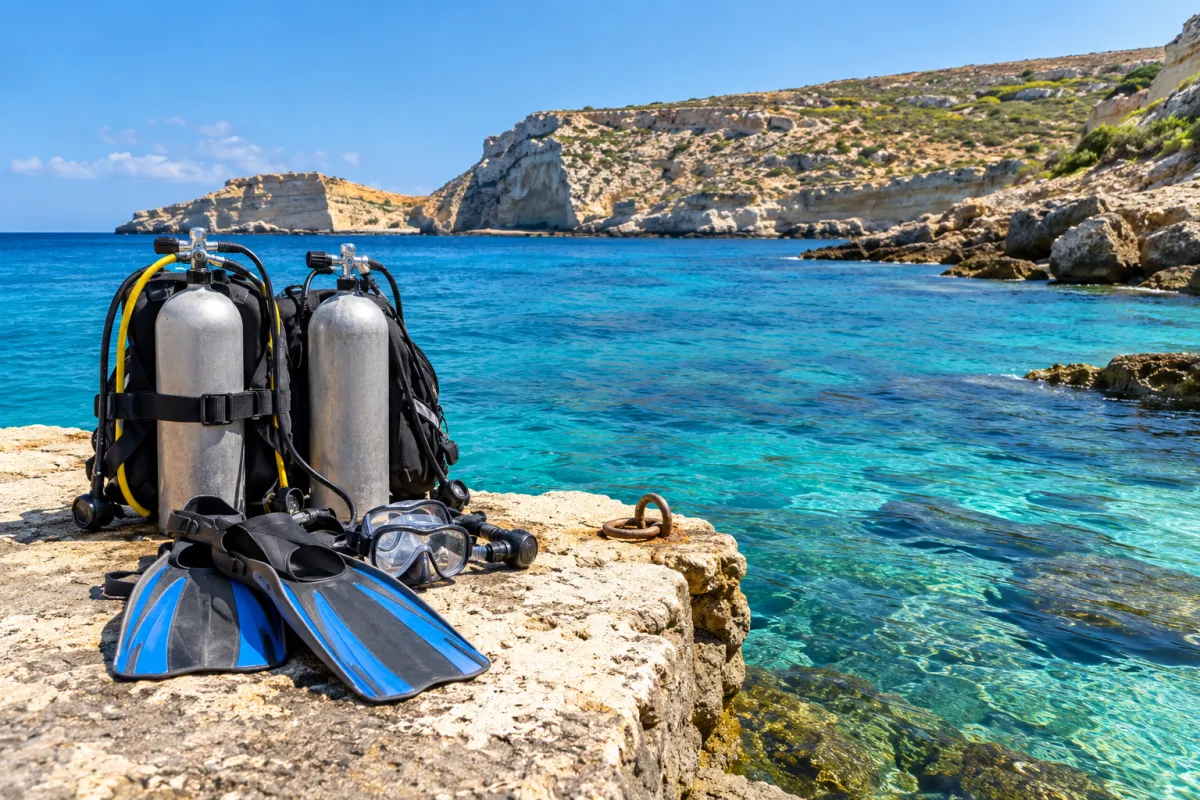
Malta and Gozo are among the best-known diving destinations in the Mediterranean, and diving gives you something rare: a shared, slightly intense experience that bonds people quickly. Diving clubs in Malta for expats come in two broad types. Commercial dive centres run courses and guided dives for a fee. Member-run clubs tend to organise regular group dives and social events for people who are already certified. If you are not certified yet, a beginner course through a recognised training agency such as PADI, SSI or CMAS is the usual first step. Ask whether the centre runs regular group dives afterwards, because that is the social part. Shore dives around Ċirkewwa and day trips to Gozo are common club outings, and for Gozo our friend-making plan pairs well with a weekend ferry trip.
Not sporty? The same logic applies to choirs, volunteering, board-game groups, language classes and photography walks. What matters is a fixed time and the same people.
Signs you are settling, and when to change tactics
Good signs
- You bump into someone you know without planning to.
- Someone else suggests the next plan, not always you.
- You have stopped converting prices back to your home currency.
- You have opinions about which bus routes to avoid.
- You can name at least one person you would call if you got sick.
Signs to change your approach
- Every new person you meet is leaving within a few weeks. Shift towards long-stay groups, Maltese-led clubs or your workplace.
- You go to big events but never see anyone twice. Swap them for one small recurring activity.
- You spend most evenings scrolling expat groups instead of attending things. Pick one activity and book it.
- The low mood has lasted for weeks and is affecting sleep or work. Speak to a GP; that is what they are there for.
Meeting new people safely
Malta generally feels safe and sociable, but the usual common sense applies whenever you meet someone new. Meet in a public place such as a café, a busy promenade or a club venue. Tell a friend or flatmate where you are going and who with. Arrange your own way home, whether that is a bus you have checked or a ride-hailing app, rather than depending on someone you have just met. If anything feels off, leave. You do not owe anyone an explanation. Small group plans are naturally safer than one-to-one meetings with strangers, which is another reason to favour them early on.
Want to turn this into an actual plan? MeetNow is a free app for meeting people in person: a host posts a plan at a public place, says who pays (host pays, split, pay your own or free) and picks who joins. It is live on the web and works in your browser, starting in Malta. The Android app is on Google Play; the iPhone app is not in the App Store yet. Open MeetNow and see the plans posted in Malta.
FAQ
How long does it take to settle in Malta if I move alone?
Admin usually takes weeks to a few months, and daily routines tend to feel normal within the first few months. A genuine circle of friends typically forms over most of the first year. Moving alone does not have to make it slower if you commit early to one or two recurring activities and keep going back.
Is it normal to feel lonely a few months after arriving?
Yes. Many newcomers hit a dip around the second or third month, when the novelty fades and early friends move on. It usually passes once routines and repeat faces build up. If the low mood lasts for weeks and affects sleep or work, speak to a GP.
Do EU citizens need to register their residence in Malta?
Yes. EU, EEA and Swiss citizens staying longer than three months must register their residence with Identità within 90 days of arrival (MoveToEU). Book the appointment early so it does not hang over your first months.
Are running clubs in Malta suitable for beginners?
Many are, but check before you go. Ask whether there is a slower pace group or a no-drop policy, when and where they meet, and whether people stay for coffee afterwards. Early morning sessions are common in summer because of the heat.
Can I join a diving club in Malta as an expat with no experience?
Usually you start with a beginner course at a dive centre through a recognised agency such as PADI, SSI or CMAS. Member-run clubs mostly organise dives for people who are already certified, so once you qualify, ask about regular group dives and social events.
What is the fastest way to stop feeling new in Malta?
Pick one recurring activity with a fixed weekly time and go at least three times in a row. Then turn the people you meet there into small plans with a place, a time and clear agreement on who pays. Repetition, not big events, is what makes Malta feel like home.