The best hobbies and activities in Malta for newcomers are the ones that bring you back to the same people every week: sea sports such as diving, swimming and sailing, coastal hiking in the cooler months, team sports and running clubs, creative classes, games nights and language exchanges. Malta’s small size helps, because almost anything is under an hour away, and English works in almost every club. Pick one regular activity and one flexible one, and you will have a social routine within a month.
This guide sorts the options by type, with the time and money each really takes, so you can choose based on your week rather than a long list of ideas. For specific clubs and prices, follow the links to our detailed guides.
Hobbies and activities in Malta for newcomers at a glance
| Activity | Best season | Typical cost | Friend-making potential |
|---|---|---|---|
| Diving and snorkelling | May to November | Courses cost more; club dives cheaper | High in clubs |
| Open-water swimming | June to October | Free | Medium, high with a group |
| Hiking and coastal walks | October to May | Free to low | High with a regular group |
| Team sports and running clubs | All year | Low to medium membership | Very high |
| Gym and fitness classes | All year | Monthly membership | Medium in classes |
| Art, dance and music classes | All year, termly | Medium per term | High |
| Board games and quizzes | All year | Low | High if you go weekly |
| Language exchanges and Maltese lessons | All year | Free to medium | High |
Costs and seasons are general guidance; check each club’s current prices. Last checked November 2026.
In and on the sea
The sea is Malta’s biggest draw, and many newcomers build their whole social life around it.
Diving and snorkelling
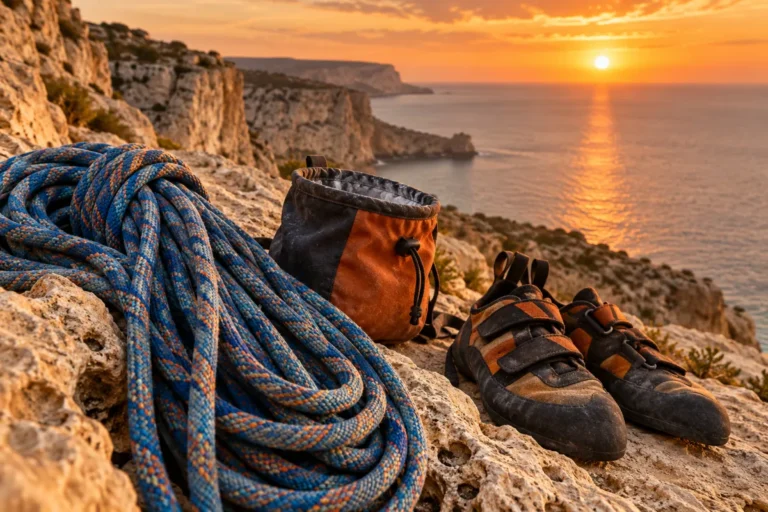
Malta and Gozo are among the most popular dive destinations in the Mediterranean, with clear water, wrecks, caves and shore dives you can reach without a boat. Dive schools run beginner courses all year, and dive clubs organise regular group dives for certified divers. A club is far better for meeting people than a one-off course, because you dive with the same faces and share the post-dive coffee.

Swimming, sailing and paddling
From June to October, open-water swimming off the rocks along the Sliema and St Julian’s coast is a daily ritual for many residents, and informal morning swim groups form every summer. Sailing schools and clubs offer courses from dinghies to yachts, and kayak and paddleboard rentals operate at many bays in the warmer months. Always check sea conditions and flags, and never swim alone in rough weather.
Hiking and the outdoors
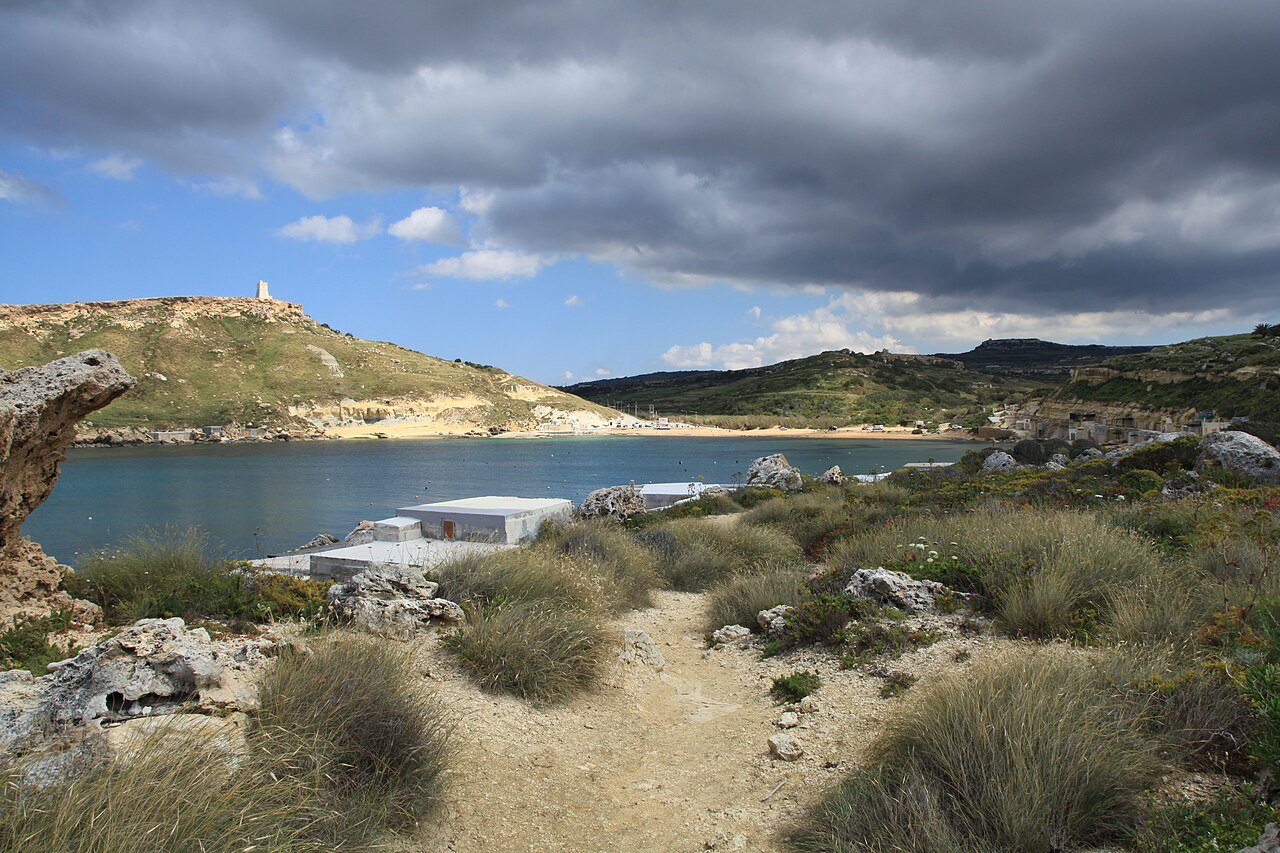
When the summer heat breaks, Malta becomes a walking country. From October to May the countryside turns green, wildflowers appear and the clifftop paths of the west coast, the valleys inland and the whole of Gozo are at their best.
- Coastal walks: the cliffs and bays of the west and north-west, from Għajn Tuffieħa to Ġnejna and beyond, give some of the island’s finest views.
- Walking groups: organisations such as the Ramblers’ Association of Malta organise regular walks and campaign for access to the countryside, and informal hiking groups meet most weekends in the cooler months.
- Gozo days: a ferry day to Gozo for a coastal hike is a classic weekend plan that works well with a small group.
Bring water and sun protection even in winter, and remember that many paths cross private land and unfenced cliff edges.

Team sports, running and fitness
Team sports are the quickest route to a group of friends, because they combine fixed weekly training with matches and post-game drinks. Malta has amateur and social leagues and clubs in football, five-a-side, rugby, basketball, volleyball, water polo (a big local summer sport), hockey and more, many with expat players. Our guide to sports clubs in Malta for expats lists options and what joining costs.
Running clubs and social runs are another easy entry point: you just turn up, and the regular pace groups mean you see the same people every week. Padel has also grown quickly, and it is an easy sport to pick up as a beginner with a regular foursome.
If you prefer a gym, choose one with group classes rather than only machines, and stick to the same class times so the faces become familiar. Our overview of gyms in Malta and what they cost helps you compare.
Creative and indoor activities
Not everyone wants to sweat. Malta has a busy indoor scene that runs all year, especially in the Sliema, St Julian’s, Valletta and Birkirkara areas:
- Art and craft classes: painting, ceramics and photography courses, often run in short terms.
- Dance: salsa, bachata, swing and other social dance nights welcome beginners and are designed for meeting new partners every week.
- Music and choirs: community choirs and music groups suit people who enjoy rehearsing towards a concert.
- Games and quizzes: pub quizzes, board game nights and role-playing groups meet weekly in cafés and bars. Our guide to board game groups in Malta covers the regular meet-ups.
- Languages: language exchanges are informal and cheap, and taking a course in learning Maltese also opens doors to local friendships.
Volunteering also works as a hobby with a purpose, from clean-ups to heritage sites. See our menu of volunteering in Malta for expats, by cause.
What to do in each season
| Season | Best activities |
|---|---|
| Spring (March to May) | Hiking, wildflower walks, the first sea swims, outdoor sports |
| Summer (June to September) | Swimming, diving, water polo, boat days, village festas in the evenings |
| Autumn (October to November) | Diving in warm water, the start of the hiking season, new class terms |
| Winter (December to February) | Hiking, Gozo walks, indoor classes, games nights, choirs |
September and January are the best months to join classes and clubs, because many start new terms and beginner groups then.
A starter plan for your first month
If you are new and unsure where to begin, try this simple four-week plan. In week one, go to one free or cheap activity near home, such as a running club, a walking group or a clean-up. In week two, book a single trial session of something you have always wanted to learn, from a beginner dive to a dance class. In week three, return to whichever of the two you enjoyed more and introduce yourself to the organiser. In week four, sign up for a term or a monthly membership and add one flexible option for variety. By the end of the month you will have a regular slot in your diary, a few familiar faces and a clear idea of which hobby is worth paying for.
Turn a hobby into a social life
An activity only becomes a social life if you repeat it and stretch it a little. Five habits make the difference:
- Commit to one weekly slot for at least two months before judging it.
- Arrive ten minutes early and stay for the drink or coffee afterwards; that is where conversations happen.
- Learn three names each session and use them next time.
- Suggest a small extra plan, such as a swim, a walk or dinner, with two or three people from the group.
- Keep one flexible activity for variety, such as a social evening run by one of the groups in our expat community in Malta guide, so a cancelled session does not leave your week empty.
The small extra plan is the step most people skip, and it is the one that turns club-mates into friends.
Want to turn this into an actual plan? Open MeetNow and see the plans posted in Malta. It is free and works in your browser: a host posts a plan at a public place, says who pays (host pays, split, pay your own or free) and picks who joins, starting in Malta.
Frequently asked questions (FAQ)
What is the best hobby for making friends in Malta?
Any activity that meets weekly with the same group works best: a team sport, a running club, a regular hiking group, a weekly class or a games night. One-off tours and big events are fun but rarely lead to friendships on their own.
What can newcomers do in Malta in winter?
Winter is the best season for hiking and coastal walks, and indoor options such as gyms, yoga, dance and art classes, choirs, language courses and games nights run all year. Many divers keep going with a thicker wetsuit, since the sea stays relatively mild.
Are hobbies in Malta expensive?
Many are cheap or free: walking groups, clean-ups, running clubs and language exchanges often cost little or nothing. Diving courses, sailing and regular classes cost more, so try a single session before paying for a full term or course.
Do I need to speak Maltese to join clubs in Malta?
No. English is an official language and almost all clubs, classes and groups that welcome newcomers run in English. Some local sports clubs and choirs speak Maltese among themselves, which can be a good way to pick up the language.
How many activities should I join when I first arrive?
Two is a good number: one regular weekly activity to build familiar faces and one flexible option for variety. Taking on more often leads to dropping everything within a couple of months.