Volunteering in Malta for expats is easy to start and one of the fastest ways to feel part of the island: dozens of NGOs welcome foreign residents, most roles run in English, and you can choose anything from a single Saturday clean-up to a weekly shift at a nature reserve or heritage site. The trick is to pick a cause and a time commitment that fit your working week, so you keep showing up long enough to make friends.
If you are a non-EU resident and want the details on permits and a week-by-week plan, our separate guide to volunteering in Malta for foreigners covers that. This article is the menu: what kinds of volunteering exist in Malta, who runs them and how much time each really takes.
Volunteering in Malta for expats at a glance
Malta has a large voluntary sector for its size, coordinated by the Malta Council for the Voluntary Sector (MCVS). The table below groups the main options by cause.
| Cause | Examples of organisations | Typical commitment | Good for making friends? |
|---|---|---|---|
| Clean-ups and environment | Żibel, Nature Trust Malta | A morning, as often as you like | Good if you go regularly |
| Birds and nature reserves | BirdLife Malta, Nature Trust Malta | Weekly or fortnightly shifts | Very good: small, steady teams |
| Heritage sites | Din l-Art Ħelwa | Regular site shifts or projects | Good, mixed ages |
| People and refugees | Malta Red Cross, YMCA Malta, JRS Malta | Training first, then regular shifts | Very good, but more demanding |
| Events | Voluntiera Malta (MCVS) | One-off days | Fun, but contacts rarely stick |
Organisations listed take volunteers according to their own websites and recent activity; roles and intakes change, so contact them directly. Last checked November 2026.
Nature, birds and clean-ups
Environmental volunteering is the easiest way in, because there is no interview, no training and no Maltese required.
Clean-ups
Żibel is a volunteer-run NGO that organises regular clean-ups of beaches, valleys, streets and the sea around Malta and Gozo. Turnouts can run to dozens of people, gloves and bags are usually provided, and you can come once or every time. Other clean-ups are run by local councils, dive centres and companies, especially before and after the summer season.
Clean-ups are a good first step, but they rotate locations and the crowd changes, so you may meet many people without getting to know any of them. If friendship is the goal, keep going to the same organiser and stay for the coffee afterwards.
Birds and nature reserves
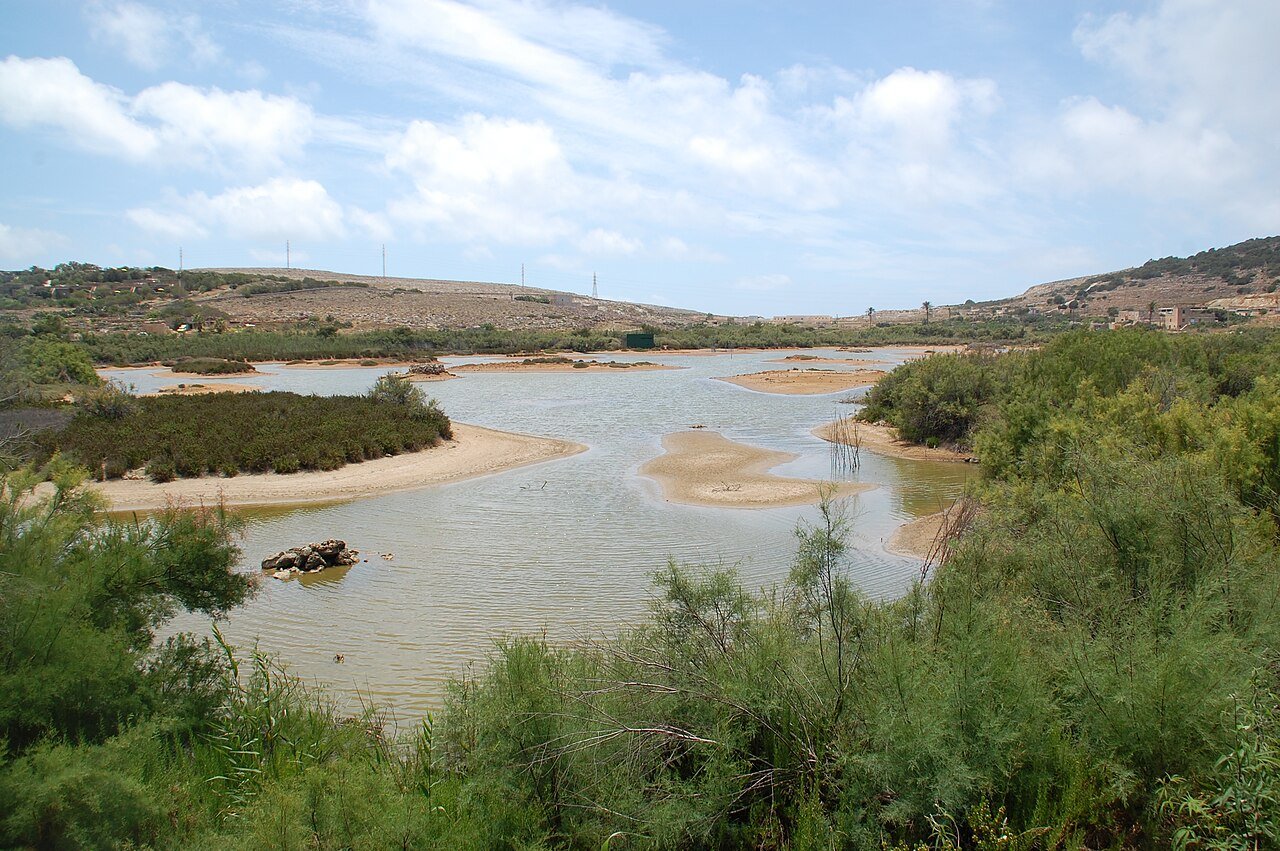
BirdLife Malta manages several nature reserves, including Għadira in Mellieħa and Simar in Xemxija, and runs conservation and education work across the islands. Nature Trust Malta also manages reserves, works on marine and wildlife projects and runs campaigns. Volunteers help with habitat work, visitor days, monitoring and events.
Reserve volunteering suits people who want a regular routine: you join a small team, often on weekend mornings, and see the same faces each time. It is also one of the best ways to discover the quiet, green side of Malta that most newcomers never see.

Heritage and culture
Malta packs an extraordinary number of towers, chapels, forts and old houses into a small area, and many of them are cared for by volunteers. Din l-Art Ħelwa, the National Trust of Malta, restores and manages historic buildings such as towers, chapels and batteries, and relies on volunteers to help open and look after them.
Heritage volunteering typically means welcoming visitors, helping at open days, supporting restoration projects or using professional skills such as marketing, photography or IT. It attracts a mix of Maltese retirees, students and expats, which makes it one of the better routes to meeting Maltese people beyond the expat bubble.
People, refugees and social care
If you want your time to go directly to people, look at the larger social NGOs:
- Malta Red Cross: first aid, emergency response and community services. Expect structured training before you are given responsibilities.
- YMCA Malta: works with people facing homelessness and social exclusion, with volunteer roles in its services and fundraising.
- JRS Malta (Jesuit Refugee Service): supports refugees and asylum seekers, and has involved volunteers in projects such as employment and mobility support.
These roles are the most rewarding and the most demanding. Many require a police conduct certificate, an interview and a minimum commitment of several months. Language skills are a real asset here: if you speak Arabic, French, Tigrinya, Somali or another language common among new arrivals, say so when you apply.

One-off events and skills-based help
Not ready to commit? MCVS manages Voluntiera Malta, a programme that supplies volunteers to help at events and activities run by voluntary organisations. Charity runs, festivals, fundraisers and awareness days all need people for a day or two.
Skills-based volunteering is another option if your weekends are full. Small NGOs often need help with websites, social media, grant writing, accounting or translation, and some of it can be done remotely. It is less social, so pair it with at least one in-person activity a month; our guide to hobbies and activities in Malta for newcomers has plenty of ideas.
How to choose a role that lasts
Most expats who drop out of volunteering do so in the first two months because the role does not fit their week. Before you sign up, answer four questions honestly:
- When am I really free? A Saturday morning slot you can keep is worth more than an ambitious weekday evening you will cancel.
- Do I want a team or variety? Fixed weekly teams build friendships; rotating events give variety.
- How far will I travel? A reserve 40 minutes away by bus is a big ask every week. Start with something near home or work.
- What do I enjoy? Physical outdoor work, talking to visitors and one-to-one support suit very different people.
Volunteering works best as part of a broader social routine. Our pillar guide to making friends in Malta explains how to combine a weekly activity with smaller, repeated meet-ups, and the guide to the expat community in Malta lists other groups to mix in.
Getting started in five steps
- Pick one cause from the table above and two organisations within it.
- Check their latest posts on their website or social media. Active groups announce clean-ups, open days and volunteer calls there.
- Send a short message saying who you are, when you are free and any useful skills or languages.
- Go to one activity before committing. Notice whether people chat during breaks and whether there is a regular core group.
- Commit to a fixed slot for three months. Repetition is what turns a group of volunteers into people you see outside the activity.
After a few sessions, suggest a coffee or a bite to eat with the people you keep working alongside. That small step is often where volunteering becomes friendship.
Want to turn this into an actual plan? Open MeetNow and see the plans posted in Malta. It is free and works in your browser: a host posts a plan at a public place, says who pays (host pays, split, pay your own or free) and picks who joins, starting in Malta.
Frequently asked questions (FAQ)
Can expats volunteer in Malta?
Yes. Many Maltese NGOs welcome foreign residents, and most roles need no Maltese. EU citizens can volunteer freely. Non-EU residents should make sure the role is genuinely unpaid and does not replace a paid job, and check any doubts about their permit before starting.
Do I need to speak Maltese to volunteer in Malta?
Usually not. Clean-ups, nature reserve work, events and many heritage roles run in English. Roles that involve direct care, such as visiting elderly people, may favour Maltese speakers, but even there English is widely used.
How much time does volunteering in Malta take?
It ranges from a single morning, such as a coastal clean-up or an event, to a regular weekly shift of two to four hours at a reserve, heritage site or charity. Start with a one-off activity and commit to a weekly slot once you know you enjoy it.
Is volunteering a good way to make friends in Malta?
It is one of the best, because you see the same people regularly and work side by side on something shared. Choose a role with a fixed weekly team rather than rotating one-off shifts if making friends is your main goal.
Where can I find volunteering opportunities in Malta?
Start with the Malta Council for the Voluntary Sector, which supports voluntary organisations and runs the Voluntiera programme for event volunteers, then contact the NGOs directly through their websites or social media pages.